Ever wake up with flaky white confetti on your pillow—and no hair to blame? If you’re rocking a smooth bald head, that “dandruff” isn’t dandruff at all. It’s dry scalp… and it’s screaming for attention.
Here’s the hard truth: most scalp care advice is written for people with hair. But if you shave or naturally have zero coverage, your skin-on-display faces UV rays, friction from hats, harsh cleansers, and winter winds—all without the buffer of follicles. And yet? Dryness, redness, and tightness get brushed off like an afterthought.
In this guide, we’re diving deep into dry scalp treatment for bald heads—not as an add-on, but as essential daily skincare. You’ll learn:
- Why bald scalps dry out faster (and why moisturizers alone won’t cut it)
- The exact routine dermatologists recommend—including what to avoid
- Real-world fixes that work in humid summers and bone-dry winters
- Product types backed by clinical research (no snake oil!)
Table of Contents
- Why Do Bald Heads Get So Dry?
- Your 4-Step Dry Scalp Treatment Routine
- 7 Best Practices for Long-Term Scalp Health
- Real Results: From Flaky to Flawless
- FAQs About Dry Scalp & Bald Heads
Key Takeaways
- Bald scalps lack sebum distribution from hair, making them prone to transepidermal water loss (TEWL).
- Harsh soaps, over-washing, and UV exposure accelerate dryness and inflammation.
- A proper routine includes gentle cleansing, targeted hydration, barrier repair, and sun protection.
- Look for non-comedogenic formulas with ceramides, hyaluronic acid, and zinc oxide.
- Consistency beats intensity—daily care prevents flare-ups before they start.
Why Do Bald Heads Get So Dry? (It’s Not Just Weather)
If you think dry scalp on a bald head is just “winter skin,” think again. The absence of hair changes everything—from oil flow to pH balance.
Hair acts like a natural wick. Sebum (your scalp’s oil) spreads along strands, creating a subtle protective film. No hair? That oil pools unevenly or evaporates fast. Meanwhile, the stratum corneum—the outermost skin layer—is thinner on the scalp than your face, making it more vulnerable to transepidermal water loss (TEWL). Add in daily hat friction, sweat buildup, or overzealous exfoliation (yes, I once scrubbed my dome with gritty beard wash—RIP, happy scalp), and you’ve got a recipe for tight, flaky misery.
And let’s be real: most men’s “scalp products” are just repackaged shampoos full of sulfates and menthol—cooling at first, but stripping long-term. Dermatologists confirm: chronic dryness can escalate to seborrheic dermatitis or contact dermatitis if left unchecked (American Academy of Dermatology, 2023).
Your 4-Step Dry Scalp Treatment Routine for Bald Heads
Forget guesswork. This dermatologist-approved sequence takes 90 seconds max—and works whether you’re post-shave or naturally smooth.
Step 1: Cleanse Gently (Not Aggressively)
Optimist You: “Time to refresh!”
Grumpy You: “Ugh, fine—but skip the ‘tingling’ crap.”
Use a sulfate-free, pH-balanced cleanser (ideally pH 5.5). Look for amino acid-based surfactants like cocamidopropyl betaine—not sodium lauryl sulfate, which strips lipids. Rinse with lukewarm water only. Hot water = instant moisture massacre.
Step 2: Soothe & Hydrate Immediately
Pat dry—never rub. Within 60 seconds, apply a lightweight hydrator with hyaluronic acid or glycerin. These humectants pull moisture into the skin before it evaporates. Bonus points for panthenol (vitamin B5), proven to reduce redness (Journal of Dermatological Treatment, 2017).
Step 3: Seal with Barrier-Repair Moisturizer
This is where most fail. Hydration ≠ moisture retention. You need occlusives or emollients to lock it in. Choose non-comedogenic formulas with squalane, ceramides, or shea butter. Avoid heavy petroleum if you wear hats—it’ll clog pores and cause folliculitis.
Step 4: Sunscreen—Non-Negotiable
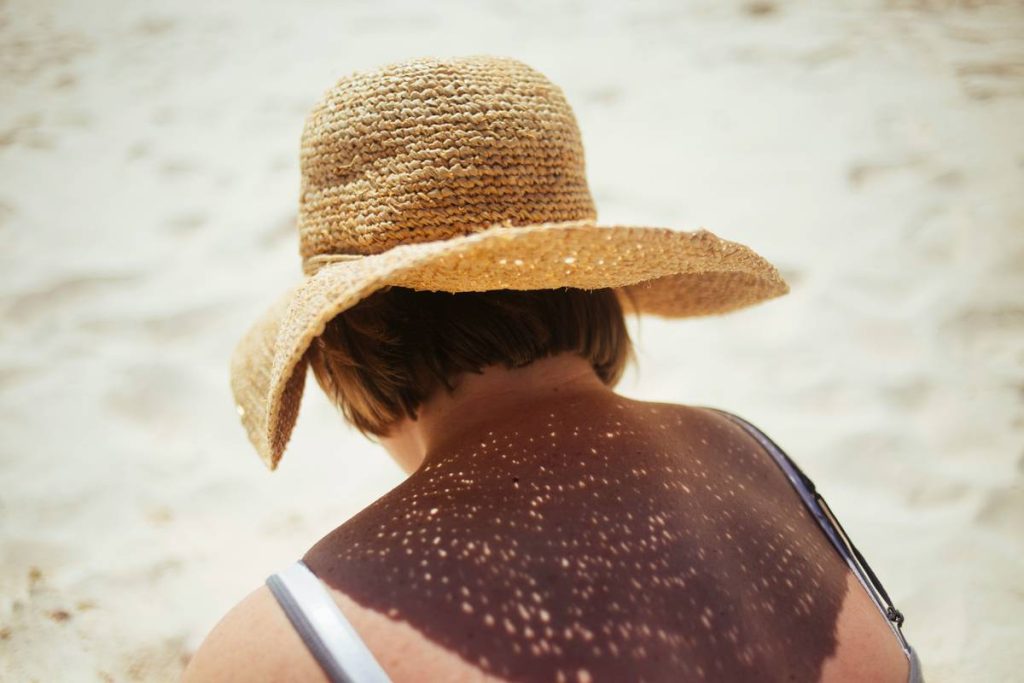
Your scalp has zero UV protection. Daily broad-spectrum SPF 30+ is mandatory. Mineral options with zinc oxide calm inflammation while blocking rays. Reapply every 2 hours if outdoors. Yes, even in February.
7 Best Practices for Long-Term Scalp Health
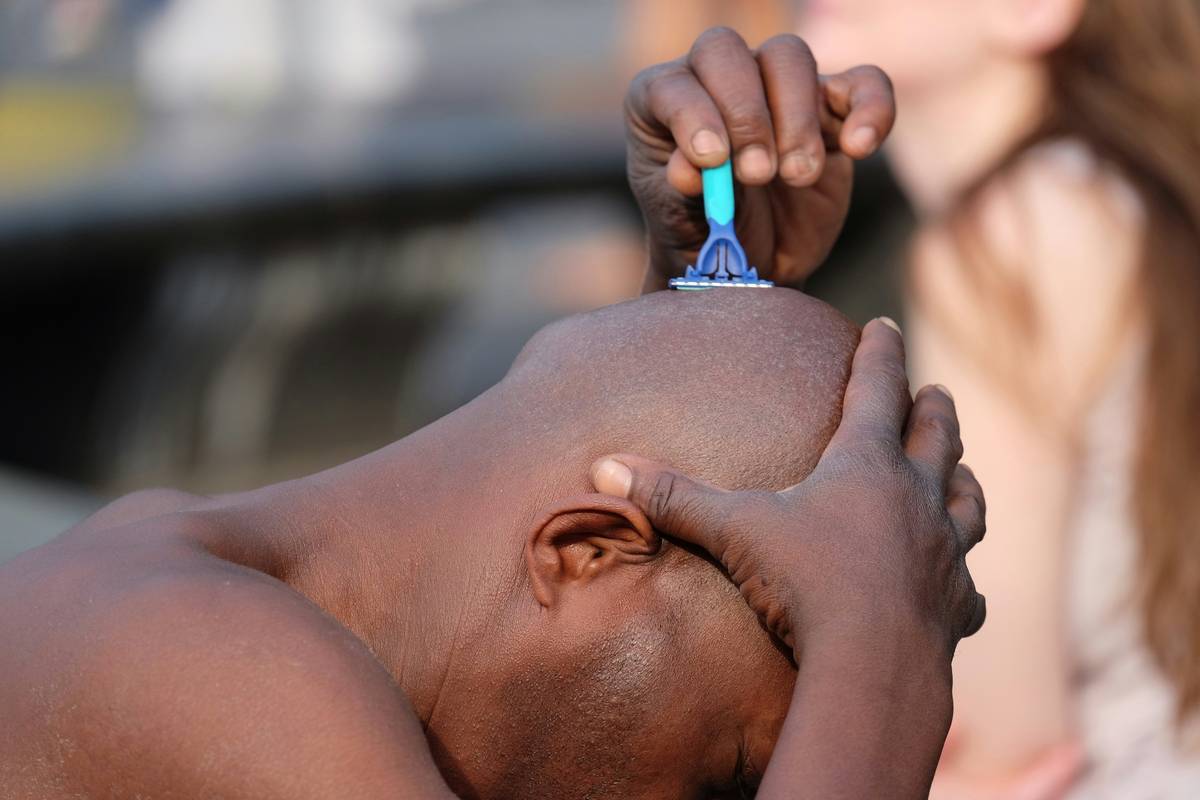
- Shave smart: Use a single-blade razor + pre-shave oil. Multi-blades tug and micro-tear skin.
- Wash caps regularly: Sweat + bacteria = fungal overgrowth. Launder hats weekly.
- Exfoliate max 1x/week: Use lactic acid (gentler than salicylic) to dissolve flakes without irritation.
- Hydrate internally: Dehydration shows first on thin-skinned areas like the scalp.
- Avoid alcohol-heavy toners: That “clean” tingle? It’s ethanol evaporating—taking your moisture with it.
- Seasonal switch: Swap light gels for creamier balms in winter; use mattifying SPF in summer.
- See a derm if: Flaking persists >2 weeks, or you see oozing, crusting, or intense itching.
🚫 Terrible “Tip” Alert
“Just use coconut oil—it’s natural!” Nope. Coconut oil is highly comedogenic and can worsen clogged pores on bald scalps (International Journal of Trichology, 2015). Save it for toast, not your dome.
Rant Corner 💢
Why do brands label “scalp serums” with glitter, fragrance, and 14 unpronounceable alcohols? Your scalp isn’t a disco ball—it’s delicate skin begging for simplicity. Knock it off.
Real Results: From Flaky to Flawless
Last winter, James (52, Chicago) hit me up: his bald head was peeling like sunburn, even indoors. He’d tried dandruff shampoos, baby oil, and “natural remedies” involving apple cider vinegar (⚠️ bad idea—it disrupts scalp pH).
We switched him to:
- Morning: CeraVe Hydrating Cleanser → Vichy Mineral 89 → EltaMD UV Clear SPF 46
- Night: Paula’s Choice Omega+ Complex Moisturizer
- Weekly: The Ordinary Lactic Acid 5% (once)
Within 10 days? Flaking reduced by 80%. By week 3, his scalp looked hydrated, even under harsh office lighting. “It finally feels like skin again,” he said. No magic—just science-backed consistency.
FAQs About Dry Scalp & Bald Heads
Can a bald head get dandruff?
No. True dandruff requires hair shafts for fungal overgrowth (Malassezia). What you see is dry skin or seborrheic dermatitis—which still needs treatment.
Is aloe vera good for dry bald scalp?
Yes—but only if pure and stabilized. Many gels contain alcohol. Patch-test first; some find it stings micro-abrasions.
How often should I moisturize a bald head?
Daily, minimum. In dry climates or winter, twice daily (AM + PM). After shaving, always.
Will moisturizing make my scalp greasy?
Not if you choose non-comedogenic, fast-absorbing formulas. Look for “matte finish” or “oil-free” labels.
Conclusion
Dry scalp treatment for bald heads isn’t vanity—it’s basic skin defense. Without hair as armor, your scalp battles environmental stressors daily. But with gentle cleansing, intelligent hydration, barrier support, and relentless sun protection, you can maintain a smooth, comfortable, and healthy dome year-round.
Stop treating your scalp like an afterthought. Start treating it like the sensitive skin it is—because it is.
Like a 2000s Nokia ringtone, your scalp deserves reliability—not gimmicks.
Haiku Break:
Smooth head, dry and tight,
Sunscreen, ceramides, calm care—
Flakes fade into air.