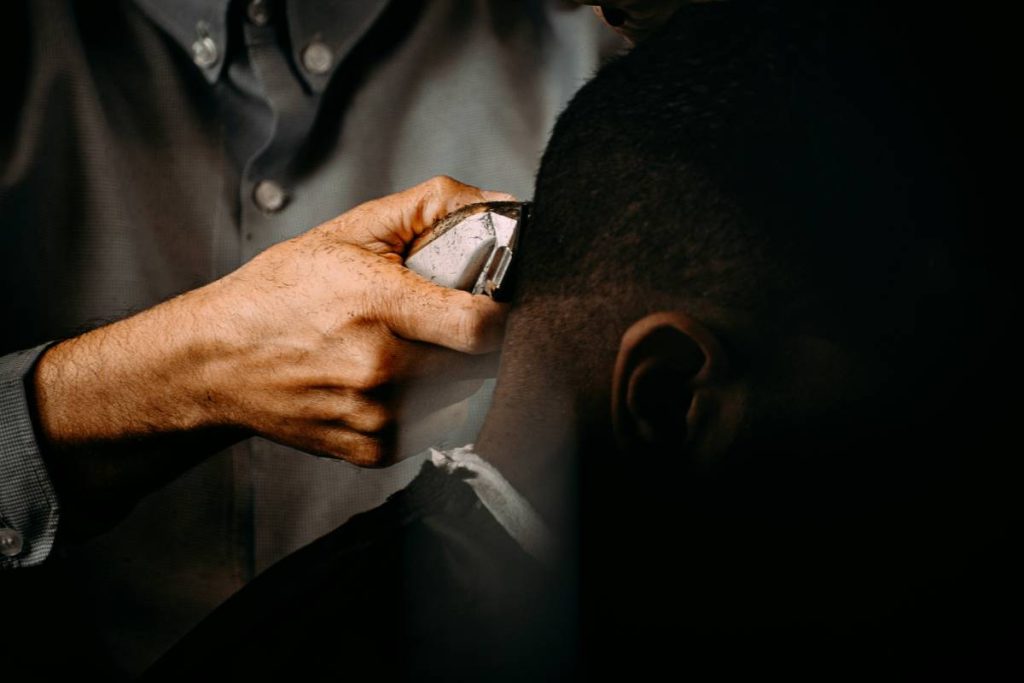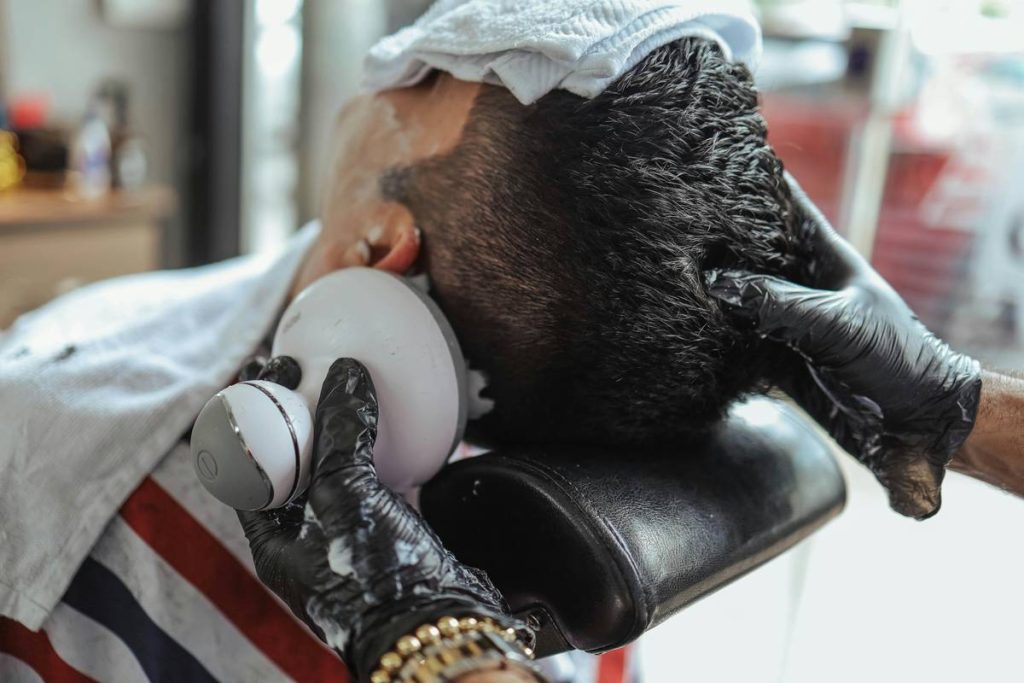
Waking up to more hair on your pillow than on your head? You’ve tried concealers, serums, and miracle oils—all while dreading the mirror. But here’s the shift: embracing baldness isn’t surrender. It’s strategy. And how to shave your head properly is your first act of defiance against insecurity—and bad technique.
Why Most Head-Shaving Routines Backfire
Most tutorials treat your scalp like a man’s beard—thick, coarse, resilient. Wrong. Female scalps are often more sensitive, prone to ingrown hairs, and react differently to blade drag. Use a dull razor? Hello, micro-cuts and folliculitis. Skip prep? Expect red bumps that scream “amateur.”
And salon shaves? Overpriced. Under-maintained. Once you leave, regrowth feels like sandpaper in 48 hours.
How to Shave Your Head: Precision Steps That Prevent Disaster
This isn’t just about getting smooth—it’s about staying smooth, healthy, and confident without constant touch-ups.
Prep Like a Pro (Not a Passenger)
Shower first. Hot water opens pores and softens any residual stubble. Dry completely—water dilutes shaving cream and causes slippage. Then, exfoliate gently with a konjac sponge or enzymatic scrub. Not too hard. You’re not sanding wood.
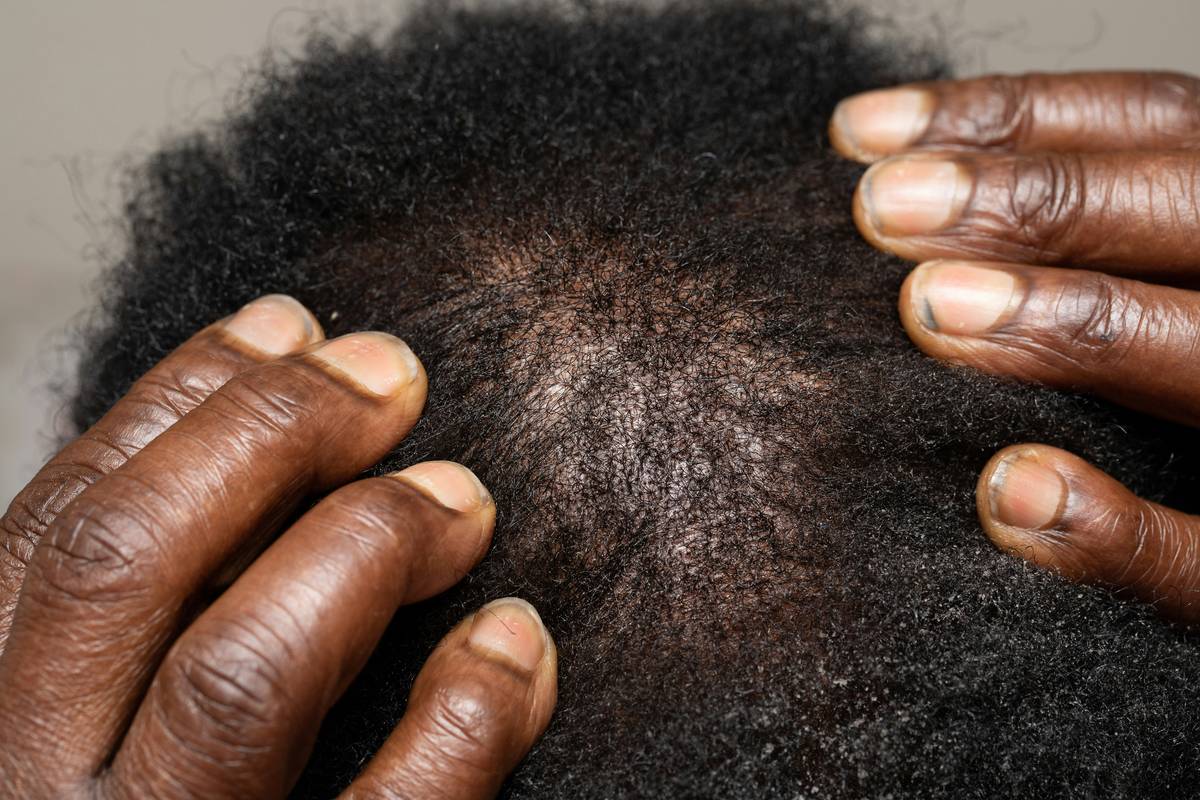
Blade Choice Matters More Than You Think
Disposable razors = disaster. Multi-blade cartridges create drag and lift hairs before cutting, increasing ingrowns. Opt for a single-edge safety razor or a high-quality electric foil shaver designed for heads—not faces.
Lather Up (But Not With Just Anything)
Ditch canned foam. It’s 90% air and alcohol. Use a glycerin-based shaving butter or a thick, cold-process soap lather. It cushions the blade, reduces friction, and signals where you’ve already passed.
Direction Dictates Results
Always shave with the grain first—especially around the nape and temples where hair swirls unpredictably. If you need closeness, go across the grain *once*. Never against it. One pass. Done. Aggressive strokes cause inflammation that triggers faster, coarser regrowth.
Post-Shave Protocol Is Non-Negotiable
Rinse with cold water. Pat dry—never rub. Apply an alcohol-free toner with witch hazel or centella asiatica. Follow with a lightweight, non-comedogenic moisturizer containing niacinamide or squalane. No oils. They trap bacteria.
| Shaving Method | Cost (First Use) | Longevity per Session | Scalp Irritation Risk |
|---|---|---|---|
| Electric Foil Shaver | $50–$150 | 2–3 days | Low |
| Single-Edge Safety Razor | $20–$60 + $2/blade | 4–7 days | Moderate (if technique poor) |
| Multi-Blade Cartridge Razor | $10–$25 + $5/cartridge | 3–5 days | High |
| Professional Salon Shave | $40–$80/session | 3–4 days | Variable |
The Industry Secret: Scalp Cycling
Here’s what salons won’t tell you: your scalp needs recovery days. Shaving daily—or even every other day—compromises its acid mantle. Instead, adopt “scalp cycling.” Shave only when regrowth hits 2mm (usually every 5–7 days). On off-days, use a pH-balanced scalp serum with lactic acid (5%) two nights a week. This thins future regrowth texture over time—making each shave smoother, easier, less frequent. Dermatologists whisper about this. Few practice it. You will.
Frequently Asked Questions
Can women shave their head without looking sick or unprofessional?
Absolutely. A well-maintained bald head reads as intentional, powerful, and modern—especially when paired with glowing skin, bold brows, and confident posture. Context shapes perception. Own it.
Does shaving make hair grow back thicker?
No. That’s myth. Hair tapers at the end. When cut bluntly, it feels coarser temporarily—but the follicle diameter never changes. Science confirms this. Stop believing old wives’ tales.
What’s the best time of day to shave your head?
Morning. Cortisol levels peak early, reducing inflammation risk. Plus, you avoid overnight oil buildup that clogs pores during shaving. Bonus: natural light reveals missed spots.