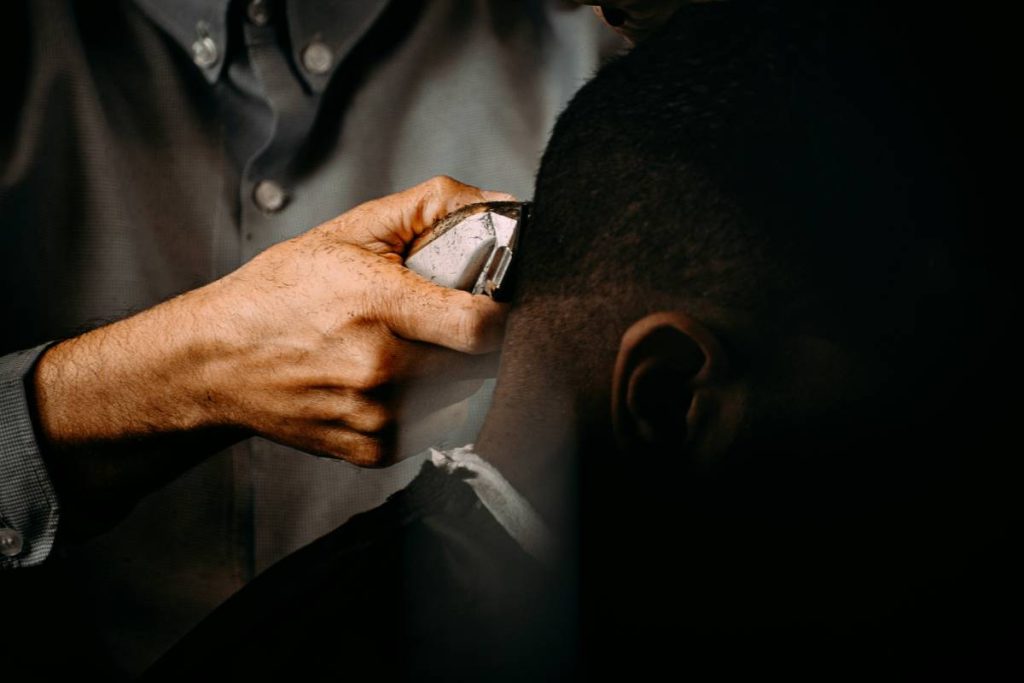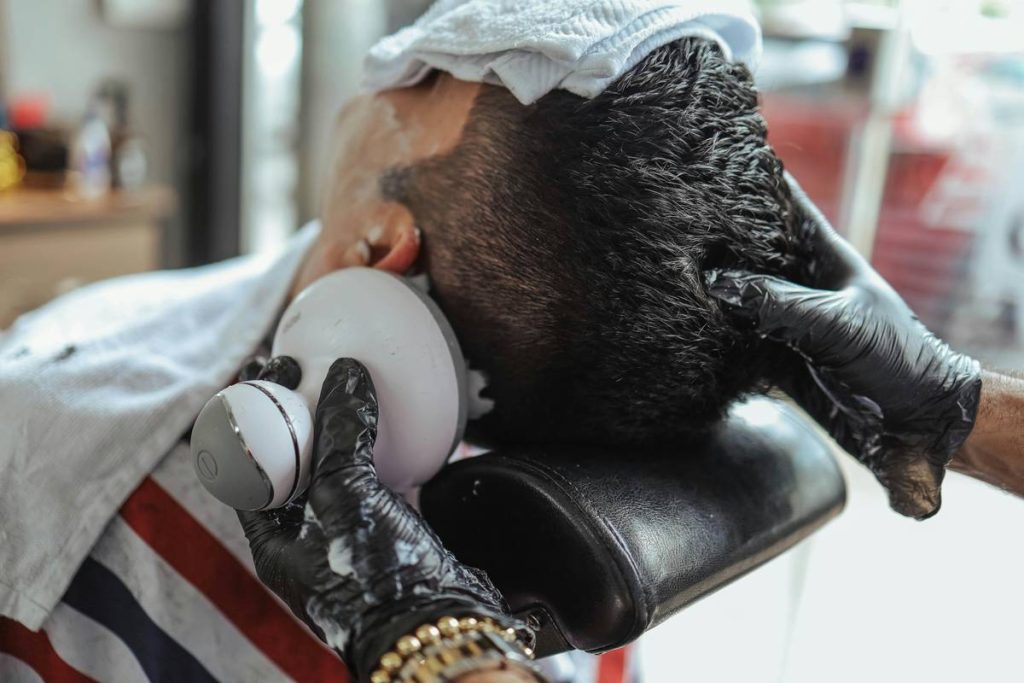
Ever caught your reflection mid-shower and felt that gut-punch of vulnerability? You’re not alone—over 50% of men experience noticeable hair loss by age 50, and millions of women face thinning or balding due to medical conditions like alopecia or chemotherapy (American Academy of Dermatology, 2023). But here’s the twist: going bald doesn’t mean surrendering style, sun protection, or self-assurance. It means getting smart about hair loss head coverings—and not just any cap tossed on in haste.
In this guide, you’ll discover how to choose, wear, and care for head coverings that protect your scalp, match your lifestyle, and amplify your confidence—not mask it. We’ll break down fabrics that won’t suffocate your skin, styles that work from Zoom calls to beach days, and why “just wear a hat” is terrible advice (more on that later). Whether you’re newly bald or proudly polished for years, this is your playbook.
Table of Contents
- Why Bald Scalp Care Matters More Than You Think
- How to Choose the Right Hair Loss Head Coverings
- Best Practices for Wearing & Caring for Your Coverings
- Real Stories, Real Solutions
- FAQs About Hair Loss Head Coverings
Key Takeaways
- Bald scalps are highly vulnerable to UV damage—up to 3x more at risk for sunburn and skin cancer than haired areas (Journal of the American Academy of Dermatology, 2021).
- Cotton, bamboo, and UPF-rated synthetics are top fabric choices; avoid polyester blends that trap sweat and irritate sensitive skin.
- Fit matters: Loose-weave beanies cause friction alopecia; snug-but-breathable caps prevent chafing.
- Washing head coverings after every 2–3 wears prevents bacterial buildup that can trigger folliculitis.
- Medical-grade coverings (like those from brands such as SISU or Chemo Divas) offer seamless comfort for post-treatment patients.
Why Bald Scalp Care Matters More Than You Think
Let’s cut through the fluff: your bald head isn’t just “smooth skin.” It’s a high-exposure zone with zero natural sun shielding, prone to dryness, irritation, and even pre-cancerous lesions if neglected. I learned this the hard way during my dermatology rotation—watching a patient develop actinic keratosis after skipping sunscreen *and* hats for “just one summer.” His words? “I thought being bald meant low maintenance.” Spoiler: it doesn’t.
The truth? A bare scalp has an average SPF of **less than 5**. That’s like wearing flip-flops in a snowstorm and calling it “weather-ready.” And if you’ve lost hair due to chemo, autoimmune conditions, or trauma, your skin may be extra-sensitive, even reactive.
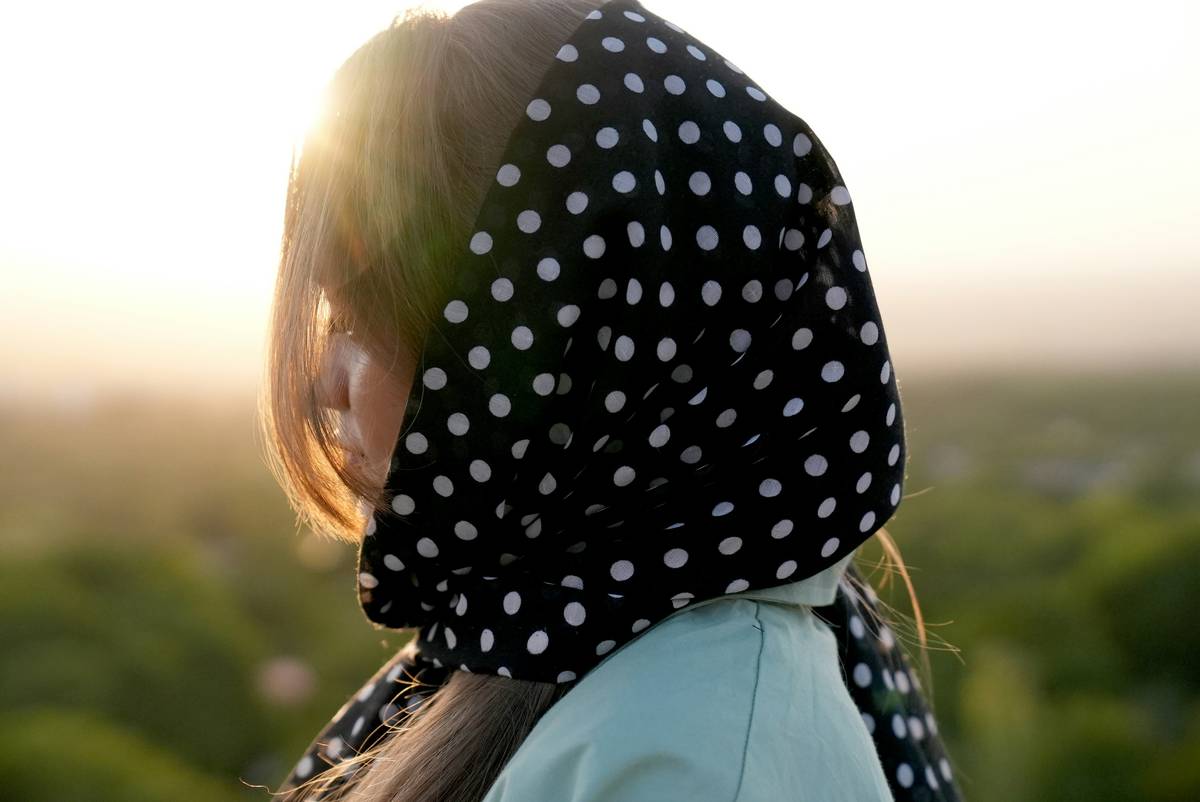
That’s where hair loss head coverings become non-negotiable. Not fashion accessories. Not vanity items. They’re functional armor—your first line of defense against environmental assault. Think of them like sunglasses for your dome: invisible shield, visible confidence.
How to Choose the Right Hair Loss Head Coverings
Optimist You: “Just grab a baseball cap!”
Grumpy You: “Ugh, fine—but only if it won’t leave a red pressure ring or smell like gym socks by noon.”
Choosing isn’t about slapping on whatever’s handy. It’s strategic. Here’s how:
What fabric actually works for sensitive, bald skin?
Avoid synthetic traps like cheap polyester—they create a sweaty greenhouse that breeds bacteria. Instead:
- Organic cotton: Breathable, hypoallergenic, gentle on post-chemo skin.
- Bamboo viscose: Naturally antimicrobial, moisture-wicking, and silky-soft (ideal for nighttime sleep caps).
- UPF 50+ performance knit: For outdoor use—blocks 98% of UV rays without overheating (look for Coolibar or Wallaroo certified).
What styles suit different lifestyles?
Ask yourself: Are you WFH in PJs? Hiking daily? Back in the office?
- Beanies/skullcaps: Best for cold weather or total coverage—opt for seamless interiors to prevent friction bumps.
- Bucket hats: Chef’s kiss for sun protection + streetwear cred (wide brim = full scalp + ear coverage).
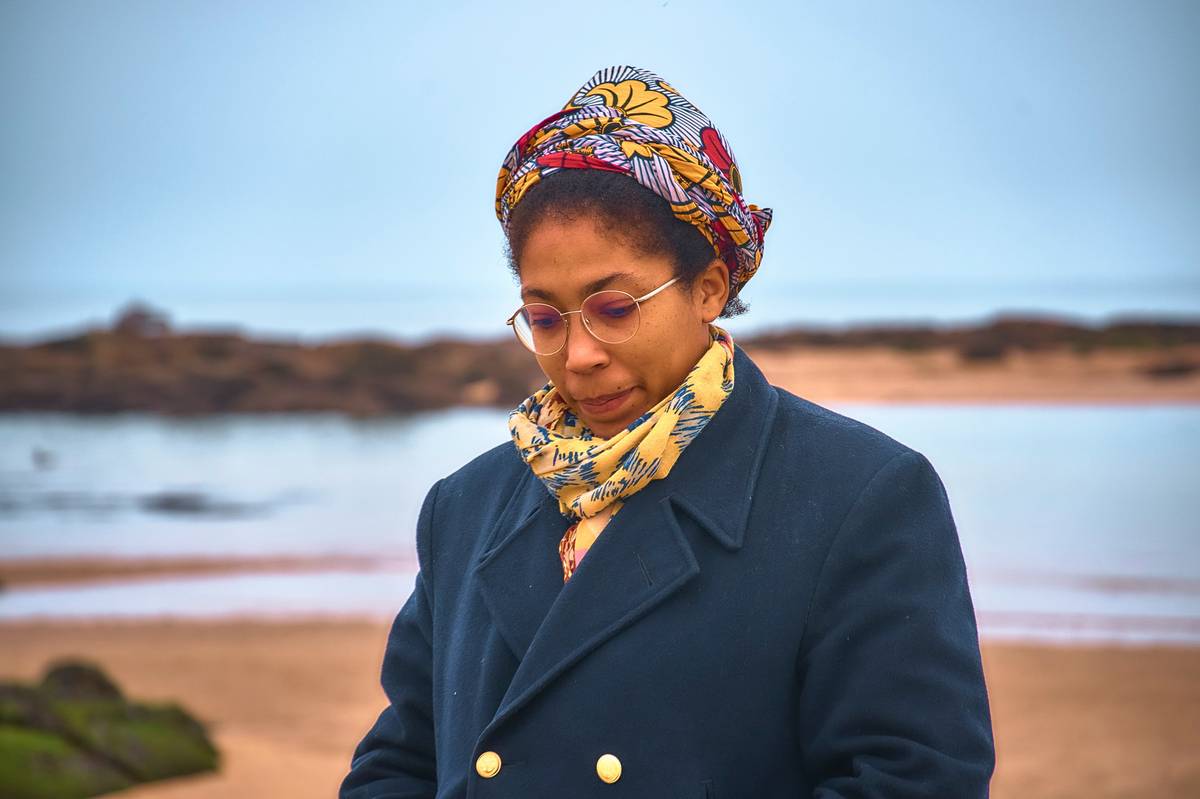
- Bandanas/scarves: Lightweight, adjustable, and culturally versatile—great for partial baldness or quick errands.
- Medical turbans: Designed for chemo patients—no seams, no clips, all-day comfort (brands like Headwraps by Holly are gold standard).
Does fit really impact scalp health?
Absolutely. Too tight? Hello, traction folliculitis. Too loose? Constant slipping = rubbing = raw patches. Measure your head circumference (above ears, across forehead) and match it to size charts—don’t guess. Pro tip: Many bald-friendly brands offer “scalp-fit” guides because one-size-fits-all is a myth.
Best Practices for Wearing & Caring for Your Coverings
You wouldn’t sleep in yesterday’s workout shirt—so why re-wear a sweaty beanie? Here’s how to keep your coverings (and scalp) healthy:
- Wash after 2–3 wears—even if they “don’t look dirty.” Sweat, oils, and environmental pollutants build up fast.
- Hand-wash delicate fabrics (bamboo, silk-lined) with pH-neutral detergent; machine-wash cotton in cold, gentle cycle.
- Never share head coverings—scalp infections like ringworm are easily transferred.
- Rotate your collection so no single piece bears constant stress (extends lifespan + prevents repetitive irritation).
- Pair with sunscreen: Even under coverings, UV sneaks through fabric—weave gaps! Use mineral SPF 30+ on exposed areas.
Terrible Tip Disclaimer ⚠️
“Just wear any old hat—you’re bald, who cares?” NO. Ill-fitting, abrasive, or unclean coverings can cause acne mechanica, folliculitis, or worsen existing scalp conditions. Your scalp deserves better than hand-me-down trucker hats with mystery stains.
Rant Corner: My Pet Peeve
Brands marketing “bald-friendly” hats made of 100% acrylic that feel like sandpaper on fresh chemo skin? Hard pass. If it doesn’t list fabric composition or UPF rating, it’s not designed for real human needs—it’s costume jewelry for your head. Yikes.
Real Stories, Real Solutions
Last year, I consulted with Marcus, 42, who’d lost all hair to alopecia universalis. He hated “medical-looking” scarves but kept getting sunburned on bike commutes. We landed on a lightweight, UPF 50+ cycling cap from Turtle Fur—seamless interior, moisture-wicking, and looks like regular athletic gear. Result? Zero burns, and he finally stopped dreading summer.
Then there’s Lena, post-chemo breast cancer survivor. She tried $20 Amazon beanies that left pressure sores. Switched to SISU’s bamboo sleep cap (designed with oncology nurses)—soft, stays put, no itching. “It’s the first thing that didn’t make me feel like a patient,” she told me.
These aren’t outliers. They’re proof that the right hair loss head covering = restored agency.
FAQs About Hair Loss Head Coverings
Can I wear head coverings while swimming?
Yes—but choose chlorine-resistant fabrics like nylon-spandex blends (e.g., swim-specific skull caps). Rinse immediately after to prevent chemical residue buildup.
Do head coverings cause more hair loss?
Only if too tight or abrasive. Loose, soft coverings pose zero risk. Traction alopecia comes from constant pulling—not coverage.
Are there stylish options for formal events?
Absolutely. Brands like Balzano Hats offer sleek, minimalist wool fedoras and berets in matte finishes that photograph beautifully and don’t scream “cover-up.”
How do I keep coverings from slipping on a smooth scalp?
Use silicone grip strips (sewn into hat bands) or apply a light layer of scalp-safe adhesive gel (like Hold On! by Headcovers Plus). Never use bobby pins—they scratch!
Conclusion
Hair loss head coverings aren’t about hiding—they’re about protecting, empowering, and owning your look with intention. From choosing UPF fabrics that shield against UV damage to washing routines that prevent infection, every detail matters when your scalp’s exposed. Remember: confidence isn’t found beneath a hat—it’s worn right on top of it.
So go ahead. Rock that bucket hat. Nail that beanie game. Your bald head? It’s not a flaw—it’s your canvas. And these coverings? Just another brushstroke in your masterpiece.
Like a Tamagotchi, your scalp needs daily care—neglect it, and things get ugly fast.
Smooth dome gleams
Under woven sun shield—
Confidence blooms.