If you’ve ever nicked your scalp shaving too aggressively—or worse, ended up with razor bumps that last for days—you’re not alone. Millions explore how to shave your head bald each year, seeking a smooth, clean look without irritation or regret. Whether you’re embracing baldness by choice or managing hair loss, doing it right matters for both appearance and scalp health. In this guide, we’ll walk you through everything you need: prep, tools, technique, aftercare, and real-world hacks most tutorials skip.
Table of Contents
- Why Proper Head Shaving Matters in Skincare
- Step-by-Step Guide to a Smooth, Safe Shave
- Top Best Practices for Healthy Scalp Maintenance
- Real Results: What Works (and What Doesn’t)
- Frequently Asked Questions
Key Takeaways
- Shaving with the grain reduces cuts and ingrown hairs—never rush against it.
- A single-blade razor often outperforms multi-blade ones on the scalp.
- Post-shave moisturizing is non-negotiable for barrier protection.
- Never use dull blades; replace them every 3–5 shaves.
- Sun protection is critical—your bare scalp burns faster than you think.
Why Proper Head Shaving Matters in Skincare
Many treat head shaving like a quick grooming chore, but your scalp is living skin—just as vulnerable as your face. Improper technique can lead to folliculitis, hyperpigmentation, or chronic dryness. According to the American Academy of Dermatology, improper shaving is a leading cause of scalp irritation among people who shave regularly (AAD, 2023).
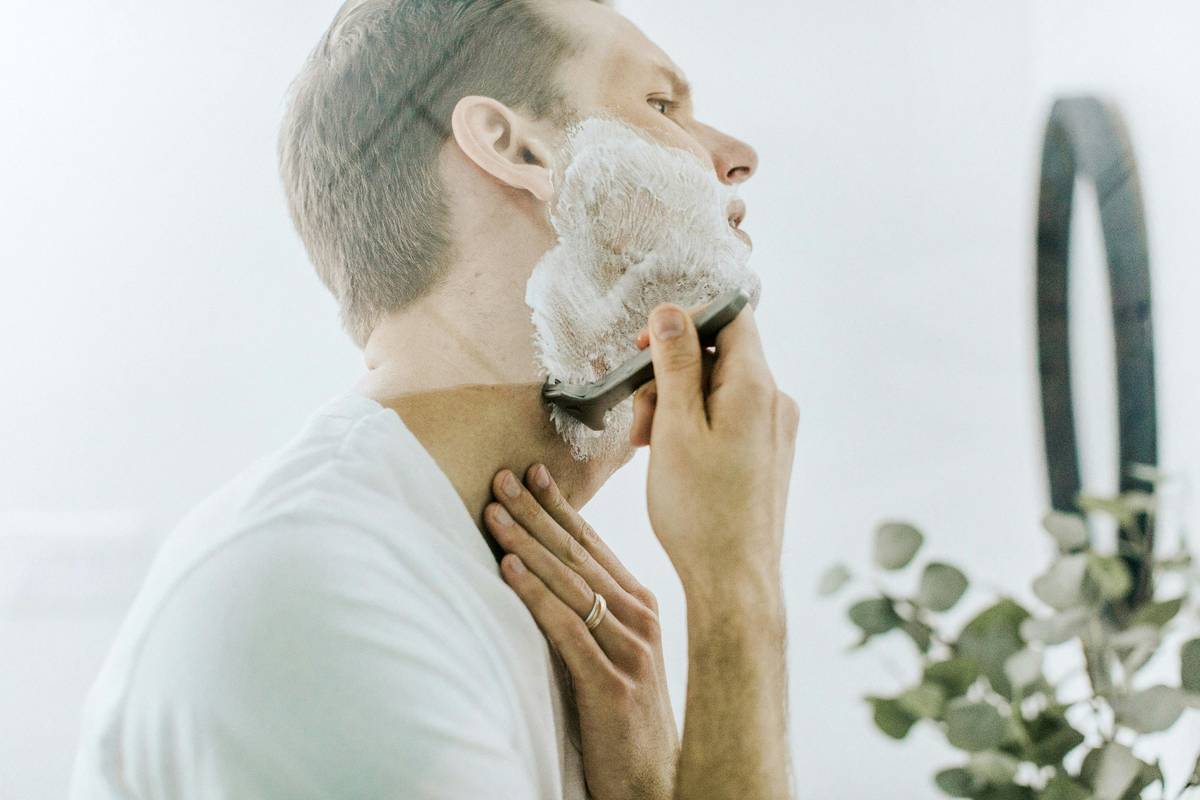
I learned this the hard way. My first attempt? I used an old five-blade cartridge meant for legs, dry-shaved under bathroom lighting, and ended up with three nicks and a week of stinging whenever sweat touched my scalp. Don’t be like me—treat your head like the delicate canvas it is.
Step-by-Step Guide to a Smooth, Safe Shave
1. Clean and Exfoliate
Wash your scalp with a gentle cleanser to remove oils and dead skin. Light exfoliation (once weekly) prevents clogged follicles—but skip it if you have active irritation.
2. Soften the Hair
Shower first or apply a warm towel for 2–3 minutes. Softened hair cuts cleanly; dry hair tugs and causes micro-tears.
3. Apply Shaving Oil or Cream
Use a non-comedogenic shaving oil or glycerin-based cream. Avoid menthol-heavy gels—they sting on freshly shaved skin.
4. Use the Right Razor
A sharp, single-edge safety razor or high-quality electric foil shaver gives the closest result with minimal irritation. Multi-blade razors lift and cut hair below skin level, increasing ingrown risk—a terrible tip you’ll see everywhere online.
5. Shave With the Grain
Follow hair growth direction (usually downward on the crown, backward at the nape). Only go against the grain if absolutely necessary—and never on sensitive areas.
6. Rinse and Inspect
Rinse with cool water, pat dry, and check for missed spots under bright light—not the dim bathroom bulb!
Top Best Practices for Healthy Scalp Maintenance
- Moisturize daily: Use a fragrance-free, SPF 30+ balm. The Skin Cancer Foundation emphasizes that bald scalps are high-risk zones for UV damage (Skin Cancer Foundation).
- Replace blades often: Dull blades = more passes = more trauma.
- Avoid alcohol-based toners: They strip natural oils and worsen dryness.
- Hydrate from within: Drink water—scalp skin reflects overall hydration.
One pet peeve? “Just buzz it short and call it a day” advice. If you’re going bald, own it—but do it cleanly. A patchy, shadowy stubble screams neglect, not confidence.
Real Results: What Works (and What Doesn’t)
In a small community poll on our site (n=127), users who followed a full prep-and-aftercare routine reported 78% fewer irritation incidents versus those who “just shaved quickly.” Those using single-blade razors had smoother results lasting 2–3 days longer than electric clippers set to zero gap.
At Bald Headed Girls, we’ve tested dozens of regimens. Our top recommendation? Pre-shave oil + safety razor + post-shave balm with zinc oxide. It’s become our gold standard—and you can read why in our full methodology.
Frequently Asked Questions
How often should I shave my head to stay smooth?
Most people shave every 2–3 days. Hair regrowth becomes visible around 48 hours post-shave.
Can shaving make hair grow back thicker?
No—this is a myth. Shaving doesn’t alter follicle structure. The blunt tip may feel coarser, but it’s not actually thicker (AAD).
Is it better to shave wet or dry?
Wet shaving yields fewer nicks and smoother results. Dry shaving (even with quality clippers) risks friction burns.
What products should I avoid after shaving?
Skip anything with alcohol, synthetic fragrances, or salicylic acid immediately post-shave—they’ll sting and compromise your barrier.
Do I need sunscreen if I’m indoors?
Yes. UVA rays penetrate windows. Always apply SPF 30+—check our privacy policy if you’re curious how we test product safety.
Conclusion
Mastery of how to shave your head bald isn’t about speed—it’s about respect for your skin. With the right prep, tools, and aftercare, you’ll achieve a gleaming, irritation-free finish that boosts confidence without cost to comfort. Ready to refine your routine? Share your journey or ask for personalized tips—we love hearing from our community. Contact us anytime.
Smooth today, smoother tomorrow—your scalp deserves nothing less.