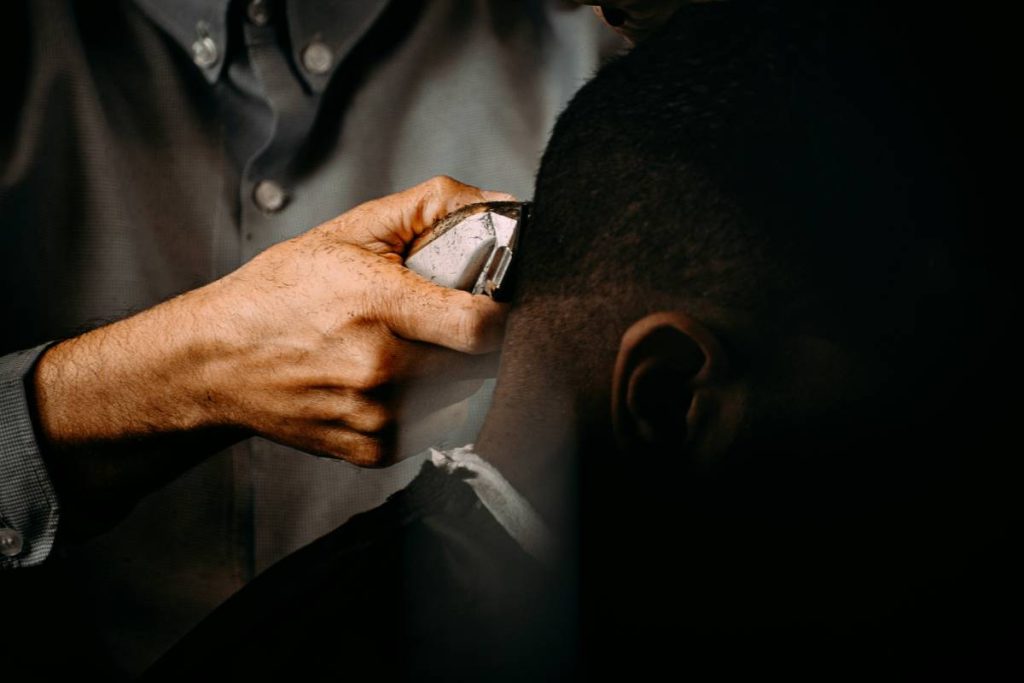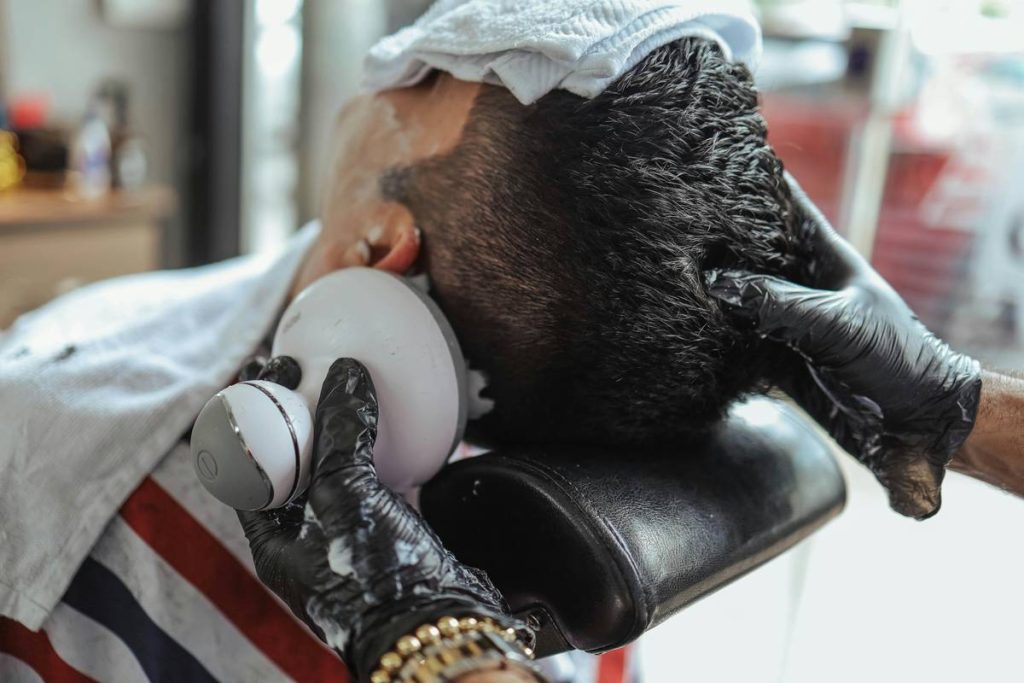
You shaved your head—maybe for style, maybe out of frustration. Now you’re watching that smooth scalp like a hawk, waiting for signs of hair regrowth after shaving head. But weeks pass. Nothing changes. Or worse—you spot patchy, brittle strands and wonder if you’ve damaged your follicles forever. Here’s the truth: shaving itself doesn’t stop growth. But how you treat your scalp afterward? That’s everything.
Why most “hair regrowth” advice fails bald heads
Conventional wisdom says: “Just wait—it’ll grow back.” And technically, yes. Hair cycles continue regardless of a blade passing over them. But here’s what no one tells you: a freshly shaved scalp isn’t neutral territory. It’s vulnerable. Exposed to UV damage. Stripped of natural oils. Coated in sweat, product residue, or bacteria from dirty razors.
And if your hair was already thinning before the shave? You’ve just amplified the stressors. Think about it—follicles weakened by androgenetic alopecia or telogen effluvium don’t magically recover because you removed 0.5mm of dead shaft. They need targeted care. Not passive waiting.
Proven bald head care routine for healthy hair regrowth after shaving head
This isn’t about miracle oils or expensive lasers (though some help). It’s about creating an environment where follicles can thrive—whether they’re dormant, miniaturized, or fully active.
Cleanse without stripping
Use a sulfate-free, pH-balanced cleanser every other day. Avoid harsh soaps—they disrupt the scalp microbiome. A gentle exfoliating scrub once weekly removes dead skin cells clogging pores. But go easy. Over-scrubbing = inflammation = more shedding.
Hydrate like your follicles depend on it (they do)
A bald scalp loses moisture faster than a haired one. Apply a lightweight, non-comedogenic moisturizer with ceramides or hyaluronic acid daily. Skip heavy petrolatum—it suffocates follicles. Look for niacinamide; it reduces inflammation and supports microcirculation.
Shield from sun damage—non-negotiable
UV radiation directly damages dermal papilla cells—the command center for hair growth. Wear a hat or apply a mineral-based SPF 30+ formulated for sensitive skin. Reapply if you’re outdoors longer than 90 minutes. This alone prevents premature follicle aging.
Stimulate circulation strategically
Microneedling (once every 10–14 days with a 0.5mm dermaroller) boosts growth factors like VEGF and FGF-7. Pair it with a peptide serum—not minoxidil unless prescribed. Why? Because minoxidil can irritate a bare scalp, causing contact dermatitis that worsens thinning.

| Method | Cost (Monthly) | Time to See Results | Risk Level |
|---|---|---|---|
| Daily SPF + Hydration | $8–$15 | Preventative (ongoing) | Very Low |
| Microneedling + Peptide Serum | $25–$40 | 8–12 weeks | Moderate (if done improperly) |
| Minoxidil (OTC) | $20–$30 | 12–16 weeks | High (irritation, rebound shedding) |
| Laser Cap Therapy | $50–$200 (rental/purchase) | 16–24 weeks | Low |
The industry secret: your scalp’s microbiome is the real gatekeeper
Here’s something dermatologists quietly acknowledge but rarely advertise: hair regrowth after shaving head hinges less on “stimulants” and more on microbial balance. A 2022 study in the Journal of Investigative Dermatology found that scalps with higher levels of Staphylococcus epidermidis (a beneficial bacterium) showed 31% better follicle density over six months compared to those dominated by Cutibacterium acnes.
What does that mean for you? Stop sterilizing your scalp. Harsh antiseptics wipe out good bacteria along with bad. Instead, use prebiotic shampoos or sprays containing lactobacillus ferment. They feed the helpful microbes that reduce inflammation and create a fertile ground for regrowth. The math is simple: no healthy ecosystem = no sustainable growth.
Frequently Asked Questions
Does shaving make hair grow back thicker?
No. Shaving cuts the hair shaft bluntly, making stubble feel coarse—but it doesn’t change follicle diameter or growth rate. Thickness is genetic and hormonal.
How long does hair regrowth after shaving head take?
Visible regrowth typically appears in 2–4 weeks. Full cycle restoration (if follicles are functional) takes 3–6 months. Underlying conditions like alopecia may require medical intervention.
Can I use minoxidil on a completely bald scalp?
Yes—but cautiously. Apply only if follicles are still present (check with a dermatoscope). On truly scarred or fibrotic areas, it won’t work and may cause irritation.