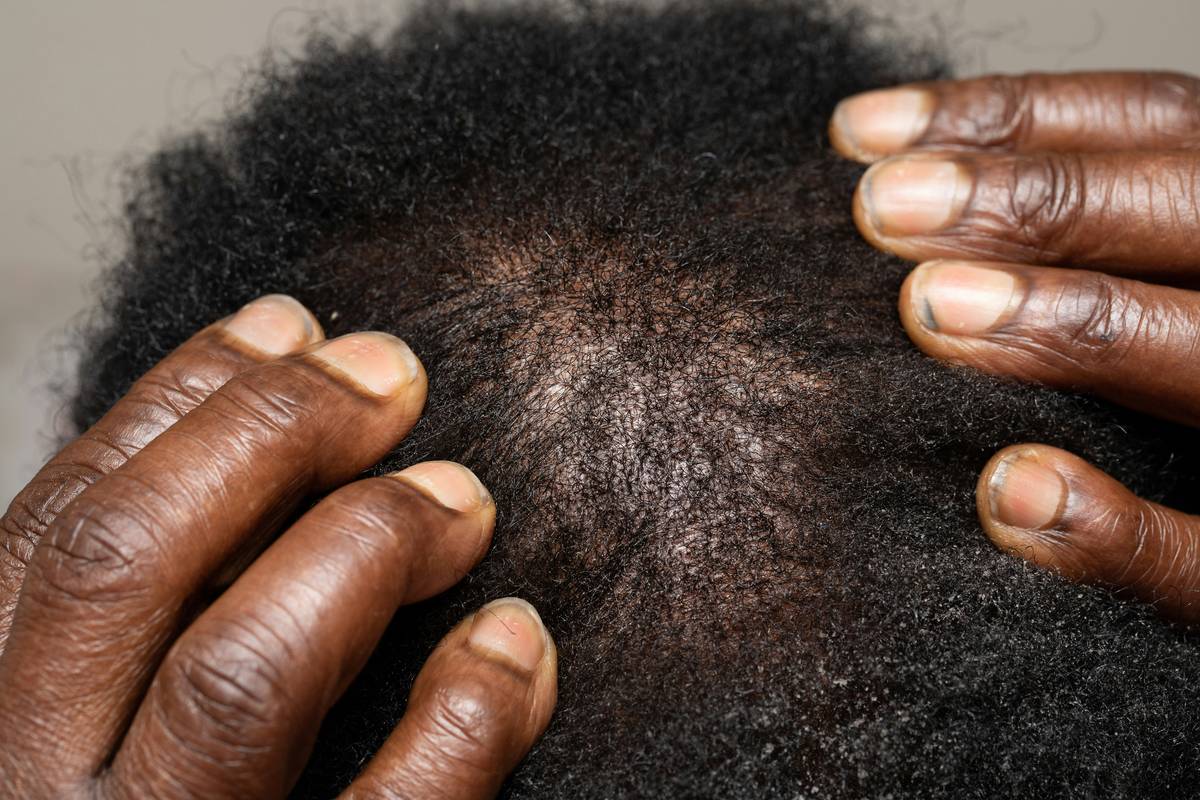
You wake up. Another shower. Another clump of hair in your hand. Again. The mirror shows thinning patches, receding lines—or maybe just that stark, exposed scalp you’re not ready to face. Shaving feels like surrender. But here’s the truth: done right, hair loss shaving head isn’t defeat—it’s tactical control.
Why Most Bald Head Routines Backfire
Most guides treat balding like a hygiene chore. Slap on cheap foam, drag a dull blade, slap on aftershave. Done. Wrong. A compromised scalp—from follicular miniaturization, inflammation, or hormonal shifts—isn’t normal skin. It’s fragile. Irritated. Prone to ingrowns, razor burn, even infection if you skip pre-shave prep.
And generic “bald care” products? Loaded with sulfates, alcohols, synthetic fragrances. They strip natural oils your scalp desperately needs post-shave. The result? Tightness. Flaking. Redness that lasts days. You think you’re grooming—you’re actually aggravating.
hair loss shaving head: Your Precision Protocol
This isn’t about quick fixes. It’s about respect—for your scalp’s biology and your time.
Step 1: Pre-Shave Hydration (Non-Negotiable)
Never shave dry. Never. Warm water opens pores—but hydration plumps the skin barrier. Apply a pre-shave oil with jojoba or squalane 5 minutes before lathering. It creates slip, reduces friction, and signals your scalp: “We’re protecting you.”
Step 2: Blade Choice = Scalp Survival
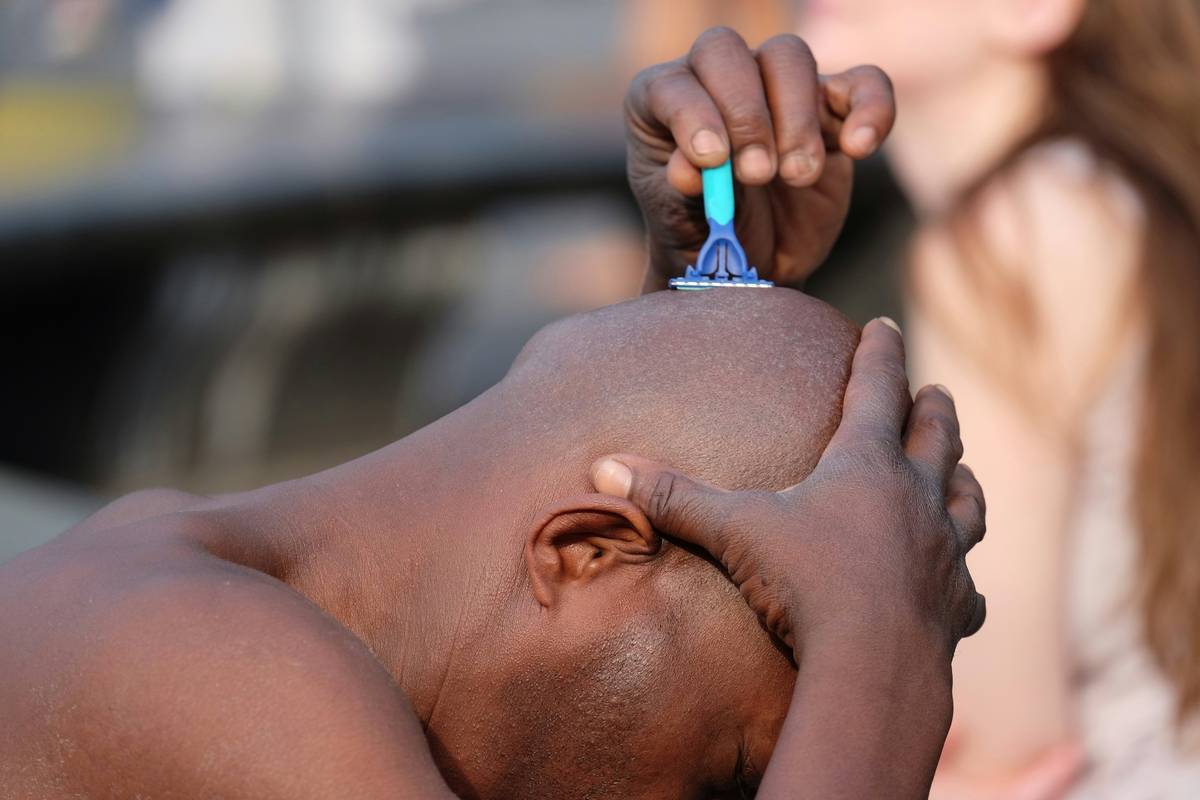
Ditch multi-blade cartridges. They tug, lift, and cut below the skin surface—inviting ingrowns. Single-edge safety razors or foil electric shavers win. Less irritation. Cleaner contact. Fewer passes needed.
Step 3: Post-Shave = Healing Phase
Your scalp is raw after shaving—micro-abrasions everywhere. Skip the menthol-laced splash. Reach for a pH-balanced balm with ceramides, panthenol, or colloidal oatmeal. Calms. Repairs. Locks in moisture without clogging follicles.
| Shaving Method | Irritation Risk | Cost/Month | Best For |
|---|---|---|---|
| Multi-Blade Cartridge | High | $12–$20 | Intact, oily scalps (not ideal for hair loss) |
| Safety Razor | Low (if technique is clean) | $3–$6 | Sensitive, thinning, or balding scalps |
| Foil Electric Shaver | Very Low | $0.50–$2 (after initial buy) | Daily maintenance; fragile or flaky scalps |
| Clipper Buzz (Guard #0) | Moderate | $0 | Transition phase—still some stubble |
The Industry Secret: Your Scalp Still Needs “Hair” Care
Here’s what dermatology clinics won’t tell you: even with zero hair, your follicles are alive. Dormant—not dead. That means they still respond to topical actives. After shaving, apply a lightweight serum with caffeine or red clover extract. Not to regrow (that’s another battle)—but to reduce inflammation, improve microcirculation, and create a healthier canvas. Think of it as skincare… for the foundation your hair used to sit on. The math is simple: calm scalp = fewer flare-ups = smoother shaves long-term.
Frequently Asked Questions
Does shaving make hair loss worse?
No. Shaving doesn’t affect follicle health or accelerate shedding. But poor technique can inflame the scalp—making existing thinning more visible.
How often should I shave my head with hair loss?
Every 2–4 days. Daily shaving increases irritation risk. Let stubble grow slightly—it’s gentler on compromised skin during removal.
Can I use regular face moisturizer after shaving?
Avoid heavy occlusives like petrolatum. Opt for non-comedogenic, fragrance-free formulas labeled for sensitive skin or scalp use.