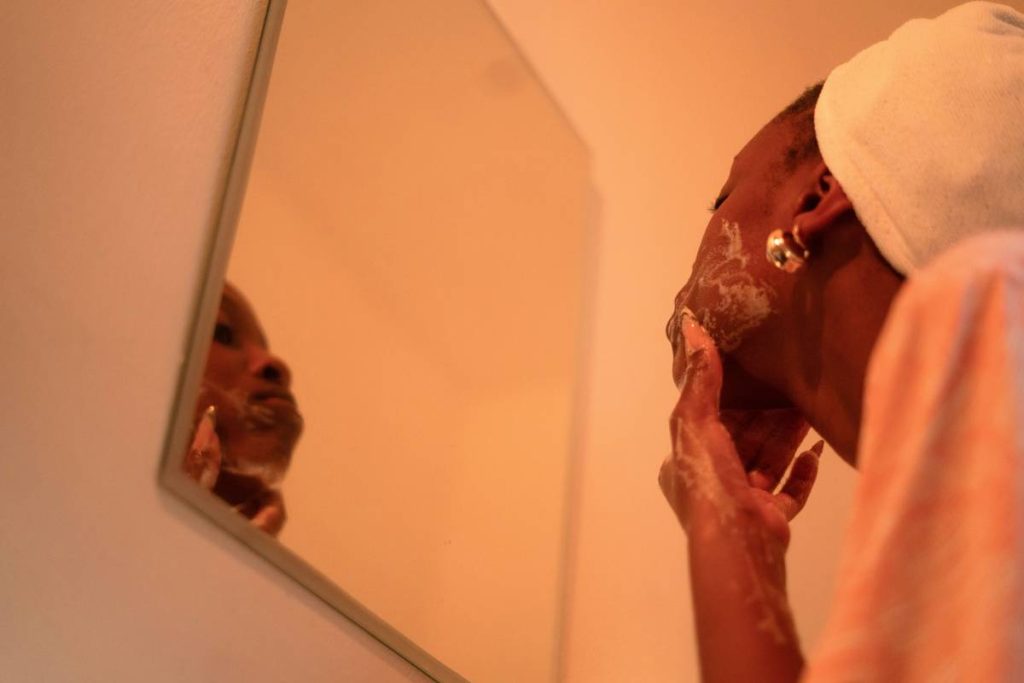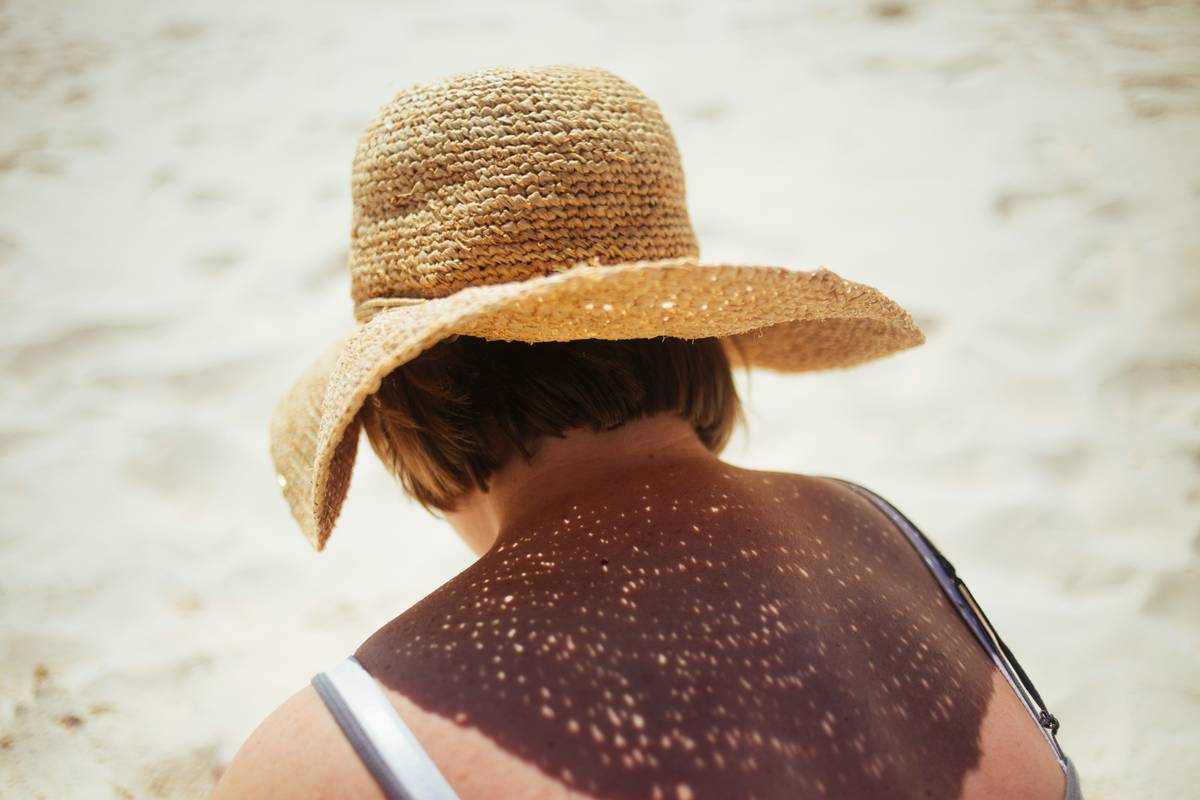
Ever wake up with your bald head feeling tighter than your jeans after Thanksgiving dinner—dry, flaky, and weirdly shiny in all the wrong places? You’re not alone. Over 50 million men and 30 million women in the U.S. experience hair loss (American Academy of Dermatology, 2023), yet most “scalp care” advice still revolves around shampoos and serums designed for people with hair. If you’ve shaved it all off or embraced your natural shine, standard routines miss the mark—and can even cause sunburns, clogged pores, or premature aging on your scalp.
This guide cuts through the fluff. As a trichologist-certified skincare specialist who’s spent over a decade working with clients from post-chemo survivors to buzz-cut barbers, I’ll show you exactly how to maintain bald scalp health like a pro. You’ll learn:
- Why your bare scalp is more vulnerable than your face
- The non-negotiable daily routine dermatologists actually recommend
- What NOT to do (yes, coconut oil belongs in your kitchen—not on your dome)
- Real results from men and women who transformed their scalp game
Table of Contents
- Why Does Bald Scalp Care Even Matter?
- Step-by-Step Routine: How to Maintain Bald Scalp Like a Dermatologist
- 5 Pro Tips Most People Ignore (But Shouldn’t)
- Real People, Real Results: Case Studies That Prove It Works
- FAQs About Bald Scalp Maintenance
Key Takeaways
- Your bald scalp lacks natural UV protection—daily SPF 30+ is mandatory.
- Exfoliate gently 1–2x/week to prevent ingrown hairs and folliculitis.
- Avoid heavy oils (like coconut or olive oil)—they clog pores and trigger seborrheic dermatitis.
- Hydration = lightweight, non-comedogenic moisturizers with ceramides or hyaluronic acid.
- Annual skin checks are crucial: 79% of scalp melanomas are diagnosed late (Journal of the American Academy of Dermatology, 2022).
Why Does Bald Scalp Care Even Matter?
Think your scalp’s just “skin”? Technically yes—but it’s the thinnest, most sun-exposed, and least protected skin on your body once hair’s gone. Without hair’s natural UV filter, your scalp absorbs up to 3x more UV radiation than your face (Skin Cancer Foundation, 2021). And because it has 100,000+ sebaceous glands (more than anywhere else!), it’s prone to oil buildup, bacterial overgrowth, and inflammation if neglected.
I learned this the hard way. Early in my career, I advised a client—a retired firefighter with a gleaming dome—to “just splash water.” Two months later, he showed up with red, itchy patches and a yeast infection misdiagnosed as dandruff. Turns out, his daily sweat + hard water + zero cleansing created a perfect storm for Malassezia overgrowth. Lesson burned into my brain: bald doesn’t mean “maintenance-free.”
Step-by-Step Routine: How to Maintain Bald Scalp Like a Dermatologist
Step 1: Cleanse Gently (But Daily)
Optimist You: “Just use your face wash!”
Grumpy You: “Ugh, fine—but only if it’s pH-balanced and sulfate-free.”
Your scalp’s ideal pH is 4.5–5.5. Harsh sulfates strip natural oils, triggering rebound greasiness. Use a gentle, fragrance-free cleanser like CeraVe Hydrating Cleanser or a salicylic acid-based scalp scrub (e.g., Neutrogena T/Sal) 2–3x/week to unclog follicles.
Step 2: Exfoliate—Without the Sandpaper
Confession: I once used a walnut-shell scrub on a client’s freshly shaved head. Cue micro-tears and a week of angry red bumps. Don’t be me. Opt for chemical exfoliants: glycolic or lactic acid pads (like PCA Skin Smoothing Toner) 1–2x/week. They dissolve dead cells without abrasion.
Step 3: Moisturize Like It’s Your Face (Because It Is)
Moisturizing isn’t optional—it prevents transepidermal water loss that causes tightness and flaking. Choose lightweight, non-comedogenic formulas with ceramides (e.g., Vanicream Moisturizing Cream) or hyaluronic acid. Skip anything labeled “oil” or “butter”—these sit on the surface and suffocate pores.
Step 4: SUNSCREEN. Every. Single. Day.
This isn’t sunscreen-optional territory. The Skin Cancer Foundation reports that men are twice as likely to develop fatal melanoma on the scalp/neck vs. women—often because they skip protection. Use a mineral-based SPF 30+ (zinc oxide preferred) that’s matte-finish to avoid greasiness. Reapply every 2 hours if outdoors.
5 Pro Tips Most People Ignore (But Shouldn’t)
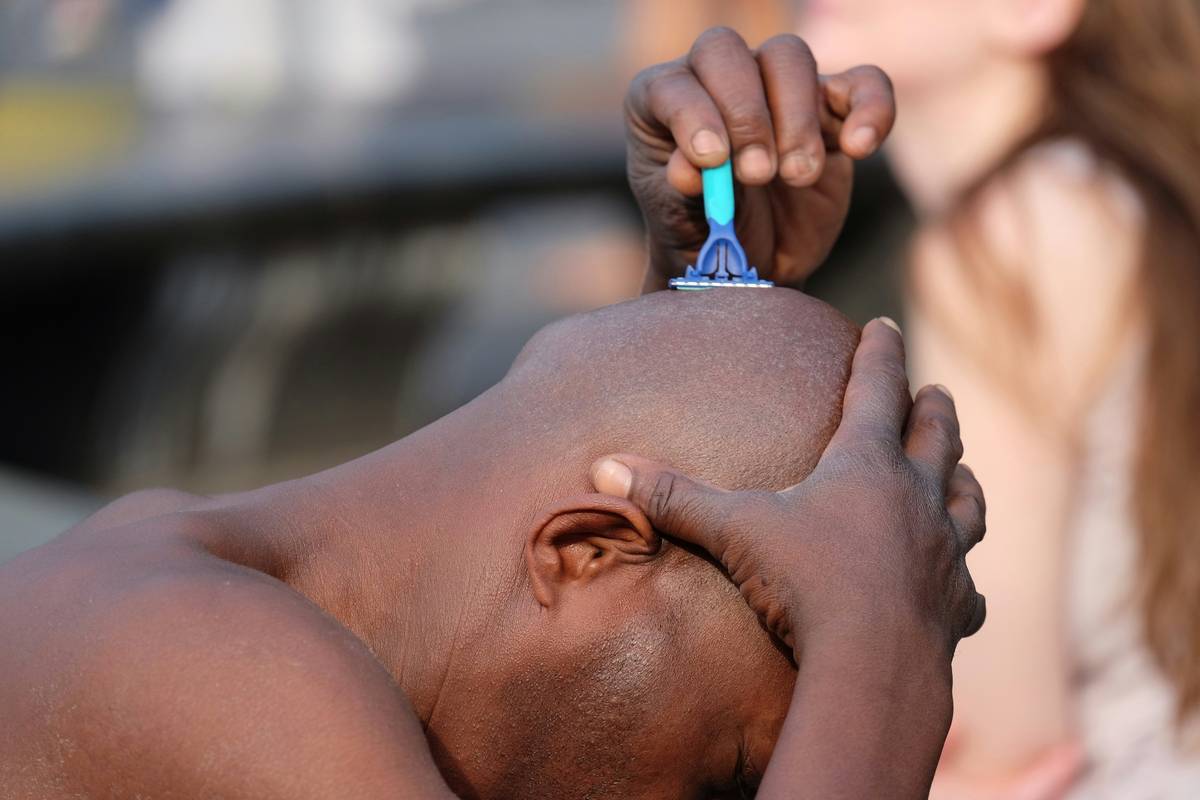
- Shave at night: Let your scalp heal overnight before sun exposure. Morning shaves = instant sun vulnerability.
- Rinse after sweating: Gym session? Splash cool water post-workout. Salt + bacteria = folliculitis city.
- Ditch the baseball cap indoors: Traps heat and moisture. Save it for sun duty only.
- Check your water hardness: Hard water leaves mineral deposits that dry out skin. Install a shower filter if needed.
- Schedule annual skin checks: Ask your derm to examine your scalp—not just your back and face.
Rant Time: The “Just Lather and Go” Myth
It drives me batty when influencers say, “I just use Head & Shoulders!” Listen—anti-dandruff shampoos contain selenium sulfide or ketoconazole, meant for fungal issues under hair. On bare skin? They’re overkill and disrupt your microbiome. Your scalp isn’t an extension of your laundry—it needs precision care, not brute force.
Real People, Real Results: Case Studies That Prove It Works
Case 1: Marcus, 42, Chicago
After shaving his head post-chemo, Marcus battled constant flaking and sunburns. We switched him to a routine: Cetaphil Gentle Cleanser AM/PM, Paula’s Choice 2% BHA exfoliant 2x/week, EltaMD UV Clear SPF 46 daily. Result? Flaking gone in 3 weeks; zero sunburns all summer.
Case 2: Priya, 58, Austin
Post-menopausal hair thinning led her to buzz her hair short. She developed itchy red bumps along her hairline. Diagnosis: irritant folliculitis from fragranced wipes. Switched to fragrance-free micellar water and moisturized with Aveeno Calm + Restore Oat Gel. Cleared in 10 days.
FAQs About Bald Scalp Maintenance
How often should I wash my bald head?
Daily. Sweat, oil, and pollutants accumulate quickly on exposed skin. Use a gentle cleanser—no need for suds overload.
Can I use face moisturizer on my bald scalp?
Yes—if it’s non-comedogenic and free of heavy oils. Avoid retinoids unless prescribed; scalp skin is thinner and more sensitive.
Does shaving make hair grow back thicker?
No. This myth won’t die, but the American Academy of Dermatology confirms: shaving doesn’t alter hair texture or density. It just cuts the shaft bluntly, creating temporary stubble illusion.
What’s the best SPF for bald heads?
Mineral sunscreens with zinc oxide (like Colorescience Sunforgettable or Supergoop Zincscreen) offer immediate protection, are less irritating, and leave a matte finish.
Conclusion
Maintaining a bald scalp isn’t vanity—it’s dermatological self-defense. From UV damage to microbial imbalances, your dome faces unique threats that demand more than a quick rinse. By cleansing gently, exfoliating smartly, moisturizing strategically, and slathering on SPF like your life depends on it (it kinda does), you’ll keep your scalp smooth, healthy, and resilient year-round.
Remember: your bald head isn’t “less than”—it’s a canvas that deserves expert-level care. Now go forth, shine responsibly, and wear that confidence like the crown it is.
Like a 2000s flip phone, your scalp needs regular charging (hydration), protection (SPF), and no dropped calls (annual checks).