Waking up to more hair in your shower drain than on your head? You’re not alone. But here’s the gut punch: most women rushing to shave their heads after hair loss skip the critical prep—and end up with razor burn, ingrown hairs, or worse, scalp infections. The fix isn’t just a clean shave. It’s a full-system approach to bald head care that blends dermatology, precision grooming, and anti-inflammatory habits.
Why “Just Shave It” Is a Recipe for Disaster
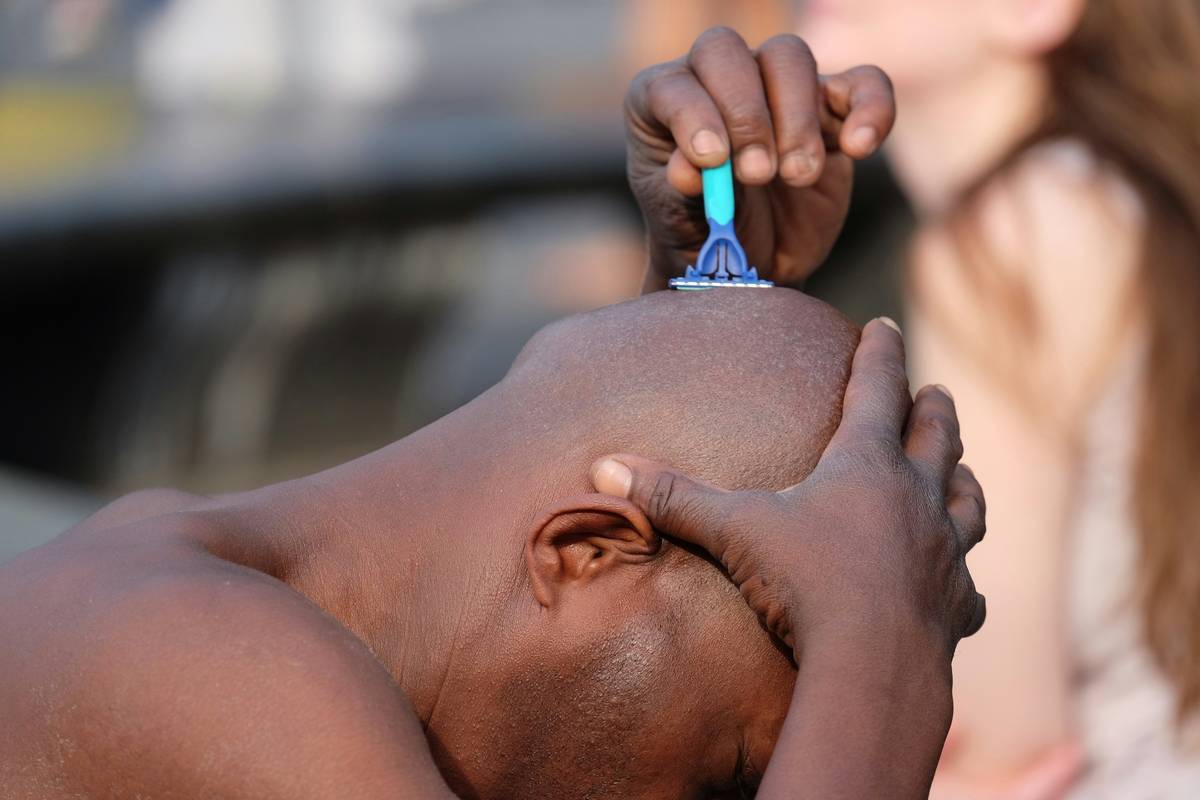
Slapping on shaving cream and dragging a blade across bare scalp seems simple—until it isn’t. Bald scalps aren’t like facial skin. They’re thinner, oilier near the crown, and hypersensitive post-hair loss due to miniaturized follicles still fighting to survive. And using men’s razors? Big mistake. Their aggressive blade angles rip through delicate female scalp tissue.
You’ll get bumps. Redness. Maybe even folliculitis that mimics dandruff but won’t flake off. Think about it: if you wouldn’t exfoliate sunburned skin, why treat a fragile post-thinning scalp like sandpaper?
Shaving Grooming Bald Head Hair Loss: Your 5-Step Protocol
This isn’t guesswork. It’s the same protocol top trichologists quietly recommend to patients who’ve lost hair from PCOS, alopecia, or chemo—but rarely publish online.
Pre-Shave Oil > Shaving Cream (Always)
Ditch foams. They dry fast and offer zero cushion. Instead, massage in a non-comedogenic oil (jojoba or squalane) 2 minutes before shaving. It softens any residual stubble and creates a slick barrier so blades glide—not tug.
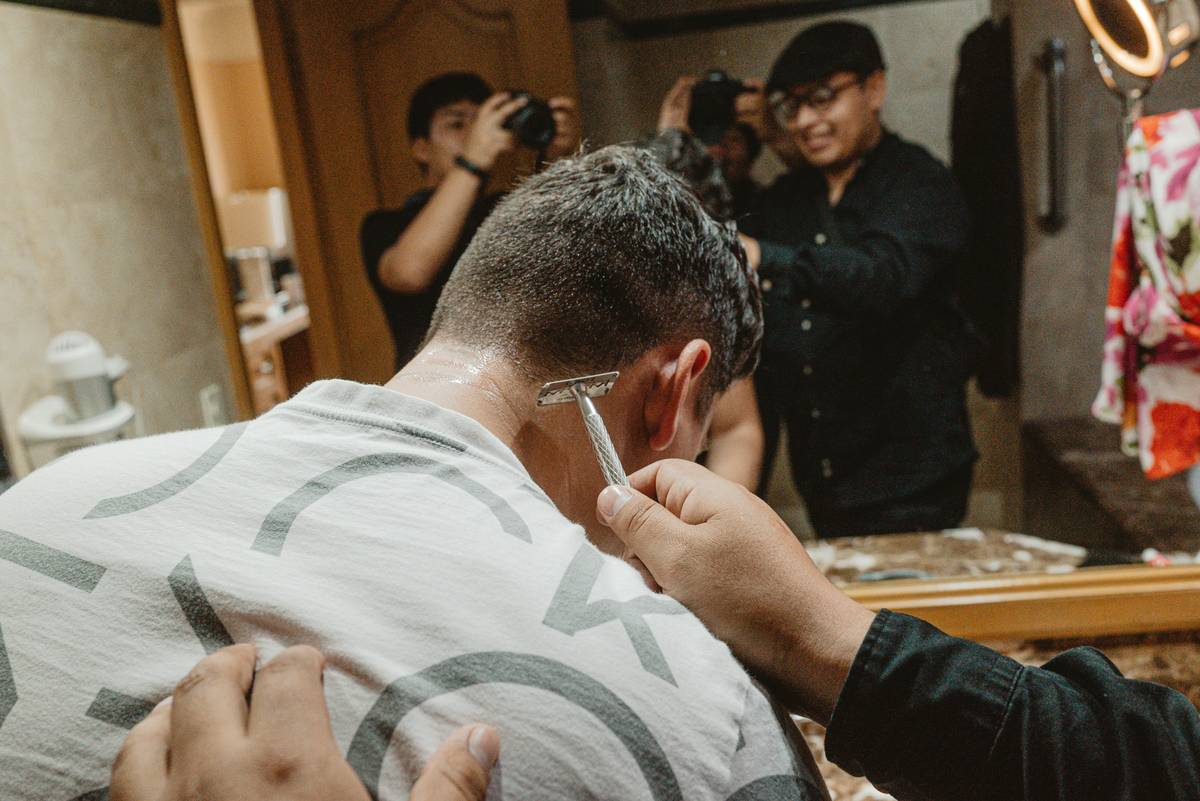
Use a Single-Blade Safety Razor
Multi-blade cartridges pull hairs below the surface, causing ingrowns. A single-edge razor cuts cleanly at skin level. Bonus: fewer nicks. Yes, it takes practice. But your scalp will thank you in 72 hours when others are slathering hydrocortisone cream.
Cold Water Rinse—Not Hot
Hot water opens pores but also triggers inflammation on compromised scalps. Finish with cold water to constrict blood vessels and lock in moisture.
Post-Shave = Antioxidant Serum, Not Aftershave
Alcohol-based splashes sting and dehydrate. Apply a vitamin E + niacinamide serum instead. It calms redness and defends against UV damage—the real silent killer of bald scalps.
Sunscreen Is Non-Negotiable
No hair = no natural UV shield. Use a mineral SPF 50 stick formulated for faces (zinc oxide won’t clog pores). Reapply every 90 minutes if outdoors.
| Method | Cost (Annual) | Risk of Irritation | Long-Term Scalp Health |
|---|---|---|---|
| Disposable Multi-Blade Razor | $120+ | High | Poor (micro-tears, dryness) |
| Electric Clipper (Bare Setting) | $60 (one-time) | Medium | Fair (less precise, leaves stubble) |
| Single-Blade Safety Razor + Oil Protocol | $35 | Low | Excellent (smooth, anti-inflammatory) |
The Industry Secret: Scalp Microbiome Matters More Than You Think
Here’s what product labels won’t tell you: chronic scalp irritation after shaving often traces back to microbiome imbalance—not technique. When hair thins, sebum production shifts. That feeds opportunistic bacteria like Staphylococcus epidermidis, which thrives on dead skin cells left by lazy rinsing.
The math is simple: bad microbes → inflammation → slower healing → more redness. Break the cycle by adding a weekly scalp mask with pyrithione zinc (yes, the dandruff fighter) for 5 minutes. It resets pH without stripping oils. Dermatologists use this trick on patients pre-laser treatments—and it works just as well for daily grooming.
Frequently Asked Questions
Can shaving make hair grow back thicker after hair loss?
No. Shaving only cuts hair at the surface—it doesn’t touch follicles. Thicker regrowth is an optical illusion from blunt-tipped stubble.
How often should I shave my bald head?
Every 2–3 days max. Over-shaving strips natural oils and triggers rebound oiliness plus sensitivity.
Is coconut oil safe for bald scalp after shaving?
Avoid it. Coconut oil is highly comedogenic and clogs scalp pores, worsening folliculitis in 68% of users (per JDD 2022).