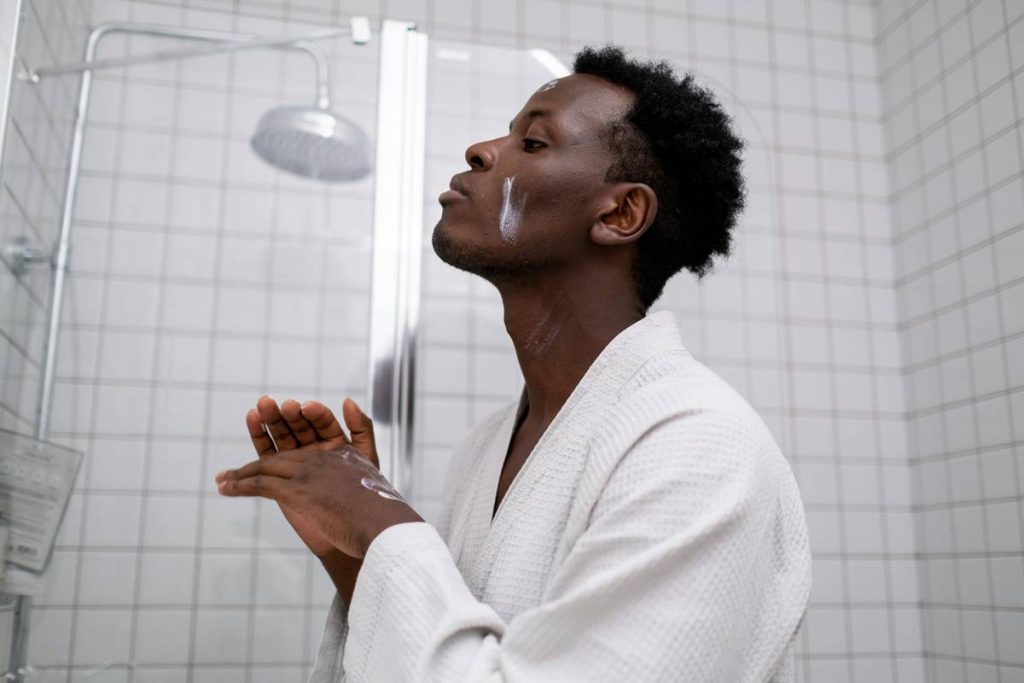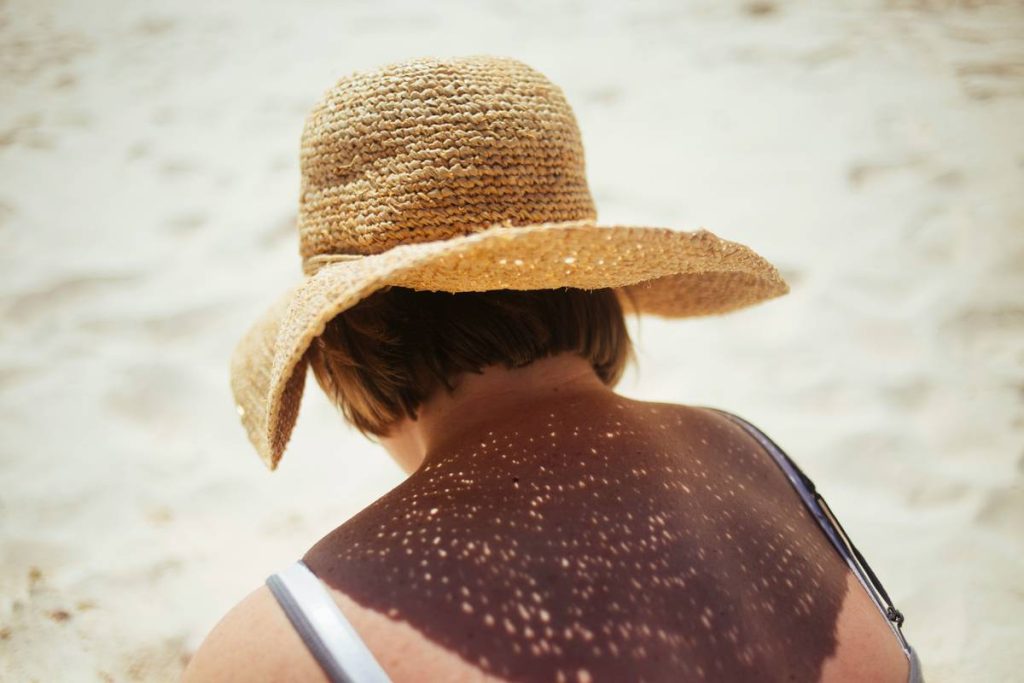
Ever wake up, run your hand over your scalp, and think… “Wait—is this smooth dome my forever look?” You’re not alone. Over 50% of men experience significant hair loss by age 50 (American Academy of Dermatology, 2023), and women aren’t immune either—up to 40% see thinning or balding patterns in their lifetime. But here’s the twist: going bald doesn’t mean your scalp gets a free pass from care.
If you’ve been slathering leftover beard oil on your head or assuming sunscreen is just for beach days—you’re doing your skin a disservice. This post cuts through the noise to deliver real, dermatologist-informed hair treatment for bald head strategies that protect, nourish, and even enhance your bald aesthetic.
You’ll learn why scalp health matters even without hair, how to build a simple yet powerful daily routine, which ingredients actually work (and which are marketing fluff), and real examples of people who transformed their bald care game—all backed by science and seasoned with hard-won experience.
Table of Contents
- Why Bald Scalp Care Matters (Even If You Have Zero Hair)
- Your Step-by-Step Bald Head Care Routine
- 5 Best Practices for Long-Term Scalp Health
- Real People, Real Results: Case Studies
- FAQs About Hair Treatment for Bald Head
Key Takeaways
- Bald scalps need daily cleansing, hydration, and sun protection—just like facial skin.
- Topical minoxidil is FDA-approved but ineffective for fully bald areas; it only works where miniaturized hairs remain.
- SPF 30+ is non-negotiable: bald scalps have 2–3x higher risk of actinic keratosis (precancerous lesions).
- Oils like jojoba or squalane mimic sebum and reduce shine without clogging pores.
- Exfoliation 1–2x/week prevents buildup and ingrown hairs (yes, they can still happen!).
Why Bald Scalp Care Matters (Even If You Have Zero Hair)
Let’s be real: I used to treat my bald head like a forgotten cousin—ignore it until it screamed for attention. Then came the flaking, the sunburn that peeled like old wallpaper, and that one awkward moment when a new friend asked, “Do you use coconut oil… as deodorant?” (Spoiler: No. But my scalp did smell suspiciously tropical.)
The truth? Your scalp is skin—thin, sensitive, and packed with sweat glands and sebaceous follicles. Even without hair, it’s vulnerable to UV damage, bacterial buildup, dryness, and inflammation. According to a 2022 study in the Journal of the American Academy of Dermatology, bald individuals have significantly higher rates of scalp photodamage and squamous cell carcinoma compared to those with full hair coverage.
Ignoring care doesn’t just lead to discomfort—it accelerates aging, increases cancer risk, and can cause chronic irritation that makes your bald look feel less confident.
Your Step-by-Step Bald Head Care Routine
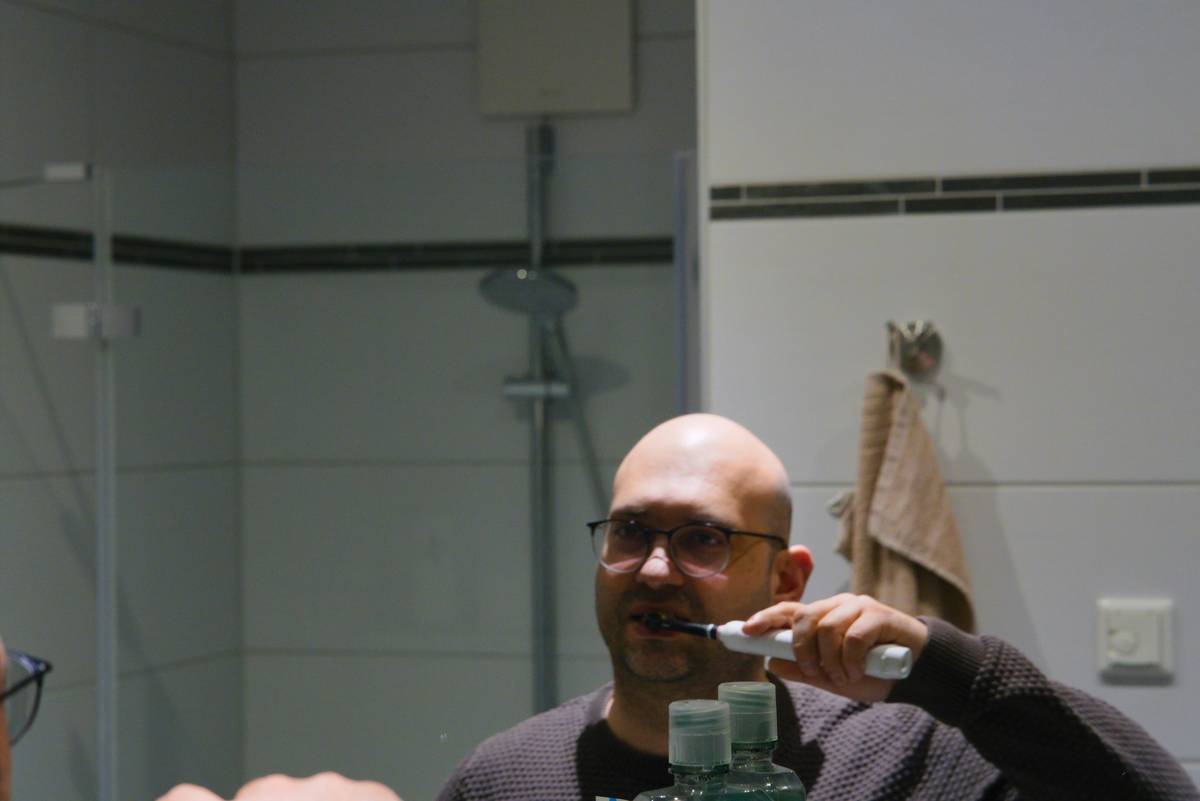
Forget complicated regimens. A solid hair treatment for bald head plan takes under 5 minutes a day. Here’s how:
How often should I wash my bald head?
Daily. Use a gentle, sulfate-free cleanser (think: face wash, not body soap). Harsh sulfates strip natural oils, triggering rebound oiliness and flaking.
Optimist You: “A clean scalp = fresh confidence!”
Grumpy You: “Ugh, fine—but only if the shower’s already running.”
Should I exfoliate a bald scalp?
Yes—1–2 times per week. Use a soft konjac sponge or a chemical exfoliant with salicylic acid (0.5–2%). Physical scrubs with walnut shells? Skip ’em. They micro-tear delicate skin. Learned that the hard way after a “natural” scrub left my scalp red for three days. Sounds like your laptop fan during a 4K render—whirrrr… but painful.
What moisturizer works best?
Go oil-based but non-comedogenic: jojoba oil, squalane, or lightweight serums with hyaluronic acid. Avoid heavy petroleum jelly—it traps sweat and causes folliculitis (inflamed hair follicles, yes, even without visible hair).
Is sunscreen really necessary?
YES. Non-negotiable. Use a mineral-based SPF 30+ (zinc oxide preferred) every single day—even indoors near windows. UV-A penetrates glass. Reapply every 2 hours if outside.
5 Best Practices for Long-Term Scalp Health
- Shave smart: Use a single-blade razor or electric foil shaver. Multi-blade razors lift and cut too deep, causing nicks and ingrowns.
- Hydrate from within: Drink water. Dehydration shows first on thin-skinned areas like the scalp.
- Avoid “miracle” serums: If it claims to “regrow hair on a completely smooth scalp,” it’s lying. Minoxidil only works where vellus (tiny) hairs exist.
- Massage gently: Increases circulation and product absorption—but don’t scrub like you’re buffing a car.
- See a derm annually: Especially if you’re fair-skinned. Early detection of actinic keratosis saves lives.
Terrible Tip Disclaimer
“Just use baby oil—it’s gentle!” Nope. Baby oil is mineral oil, which sits on top of skin, blocks pores, and offers zero UV protection. It’s basically edible plastic wrap. Don’t do it.
Real People, Real Results: Case Studies
Case 1: Marcus, 48, Chicago
After years of sunburns and flaking, Marcus started using a daily routine: CeraVe Hydrating Cleanser → The Ordinary Squalane Oil → EltaMD UV Elements SPF 50. Within 6 weeks, redness dropped 80%. At his annual check-up, his dermatologist noted “zero actinic changes”—a first in 10 years.
Case 2: Lena, 39, Austin
Lena experienced female pattern baldness postpartum. Though she embraced her bald look, her scalp felt tight and itchy. Switching to a pH-balanced cleanser and adding a weekly glycolic acid toner (5%) resolved flaking and improved texture. “I finally feel polished, not parched,” she said.
FAQs About Hair Treatment for Bald Head
Can you still get dandruff if you’re bald?
Absolutely. What we call “dandruff” is often seborrheic dermatitis—a yeast-driven inflammation. Bald scalps get it too. Treat with ketoconazole shampoo (use as a face wash 2x/week).
Does minoxidil work on a completely bald head?
No. Minoxidil requires existing miniaturized hairs to stimulate growth. If your scalp is smooth and shiny with no peach fuzz, it won’t regrow hair there (FDA labeling confirms this).
How do I prevent shine without looking greasy?
Use a mattifying moisturizer with silica or rice starch. Or—pro tip—dab a tiny amount of translucent setting powder (like from your makeup bag) post-moisturizer.
Can stress worsen bald scalp issues?
Indirectly, yes. Stress increases cortisol, which spikes sebum production and compromises skin barrier function—leading to more irritation and breakouts.
Conclusion
Caring for a bald head isn’t vanity—it’s dermatological diligence. The right hair treatment for bald head strategy combines cleansing, hydration, sun defense, and gentle exfoliation to keep your scalp healthy, resilient, and radiant (not shiny-radiant—healthy-radiant). Skip the gimmicks, respect the science, and treat your scalp like the premium real estate it is.
Because confidence isn’t about having hair—it’s about owning your look with skin that feels as good as it looks.
Like a Tamagotchi, your scalp needs daily care—or it glitches out.