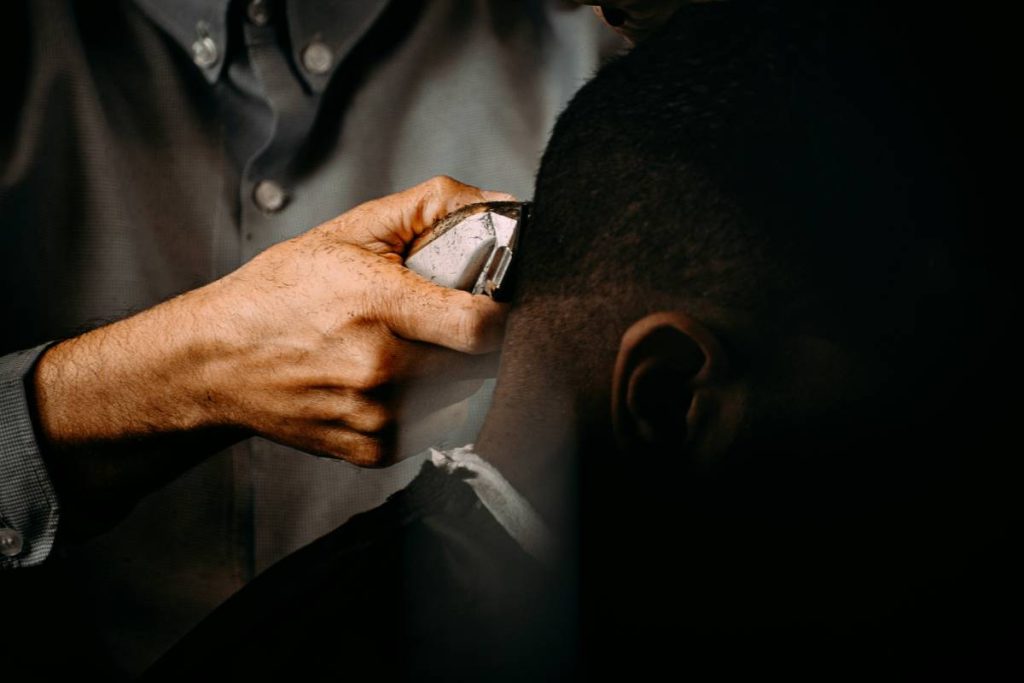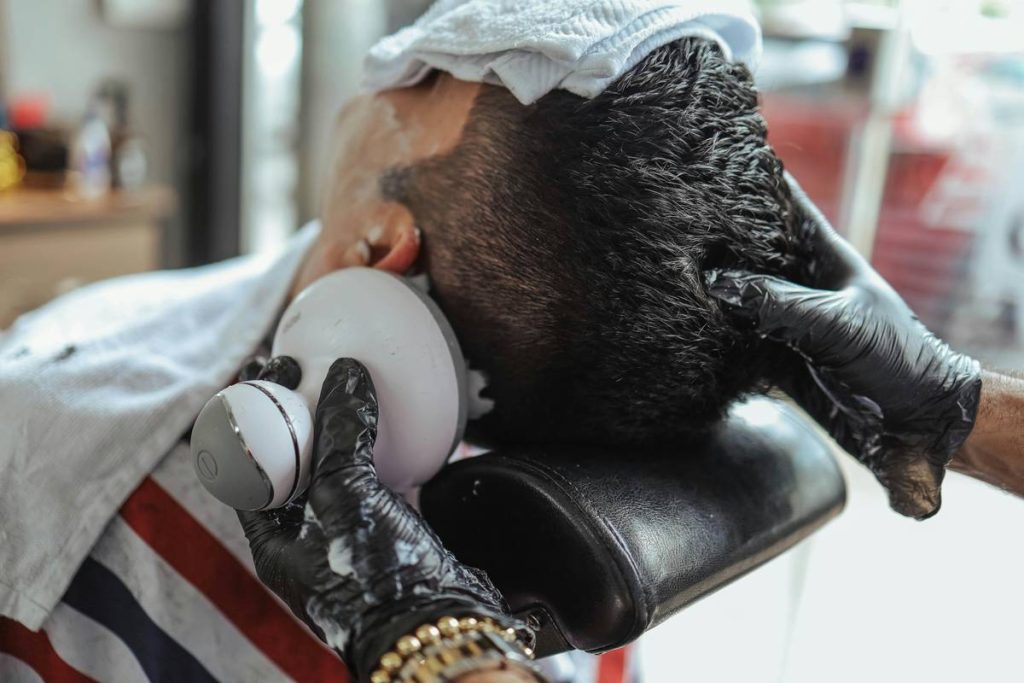
Ever stood in front of the mirror, razor in hand, only to end up with red bumps, patchy regrowth, or—worst of all—that weird stubbly shadow that screams “I gave up halfway”? You’re not alone. Over 50 million men in the U.S. experience significant hair loss by age 50 (American Academy of Dermatology), and many choose to shave their heads—but few know how to do it right. If you’ve Googled “hair removal bald head” and landed here, congratulations: you’ve just dodged sunburns, ingrowns, and scalp acne that look like you lost a fight with a cheese grater.
In this guide, we’ll walk you through everything you need to know to keep your bald head smooth, healthy, and gleaming—not greasy or irritated. You’ll learn:
- Why standard shaving routines fail on scalps (and what actually works)
- Step-by-step techniques for irritation-free hair removal
- Post-shave care that prevents flaking, sun damage, and bacterial buildup
- Real mistakes I’ve made—and how you can avoid them
Table of Contents
- Why Is Hair Removal for a Bald Head So Tricky?
- Step-by-Step: How to Remove Hair from a Bald Head Without Wrecking Your Skin
- 7 Non-Negotiable Best Practices for Long-Term Scalp Health
- Case Study: From Flaky Nightmare to Mirror-Like Shine
- FAQs About Hair Removal for Bald Heads
Key Takeaways
- Scalp skin is thinner and more sensitive than facial skin—treat it accordingly.
- Shaving against the grain may give a closer cut, but it dramatically increases ingrown risk on scalps.
- Daily sunscreen (SPF 30+) is non-negotiable—bald scalps burn 3x faster than covered ones.
- Electric clippers with zero-gap settings are safer for beginners than straight razors.
- Moisturizing post-shave isn’t optional—it’s your first line of defense against flaking and irritation.
Why Is Hair Removal for a Bald Head So Tricky?
Your scalp isn’t just “more face.” It’s a unique ecosystem: thinner epidermis, higher sebum production, and curved terrain that makes clean strokes devilishly hard. Add in hair that grows at multiple angles (thanks, genetics), and you’ve got a recipe for razor burn, folliculitis, or worse—scalp folliculitis barbae, a bacterial infection that looks like angry red pimples clustered around hair follicles.
I learned this the hard way. About six years ago, fresh off my decision to go full Yul Brynner, I grabbed my old Gillette Fusion and went to town—against the grain, no prep, just raw confidence and regret. By day two? My scalp looked like a pepperoni pizza. Dermatologist visit. $280. Lesson learned.
According to the Journal of the American Academy of Dermatology, up to 30% of men who regularly shave their heads report moderate to severe skin irritation within the first month—mostly due to improper technique or neglecting post-care.
Step-by-Step: How to Remove Hair from a Bald Head Without Wrecking Your Skin
Should I use clippers, a razor, or wax?
Optimist You: “All paths lead to shine!”
Grumpy You: “Ugh, fine—but only if you skip the wax. Seriously, never wax your scalp. Ever.”
Waxing pulls hair from the root but traumatizes thin scalp skin, increasing infection risk. Stick to either electric clippers (for low-maintenance stubble) or wet shaving (for mirror-smooth results).
Step 1: Prep Like a Pro (Not a Rushed Amateur)
Shower first. Warm water softens hair and opens follicles. Apply a pre-shave oil (like Jack Black Beard Oil or Baxter of California) to reduce friction. Skip this? That’s how you get micro-cuts.
Step 2: Choose Your Weapon Wisely
- For beginners: Use a zero-gap trimmer (e.g., Andis T-Outliner). Set to 0.2mm—close enough without nicking.
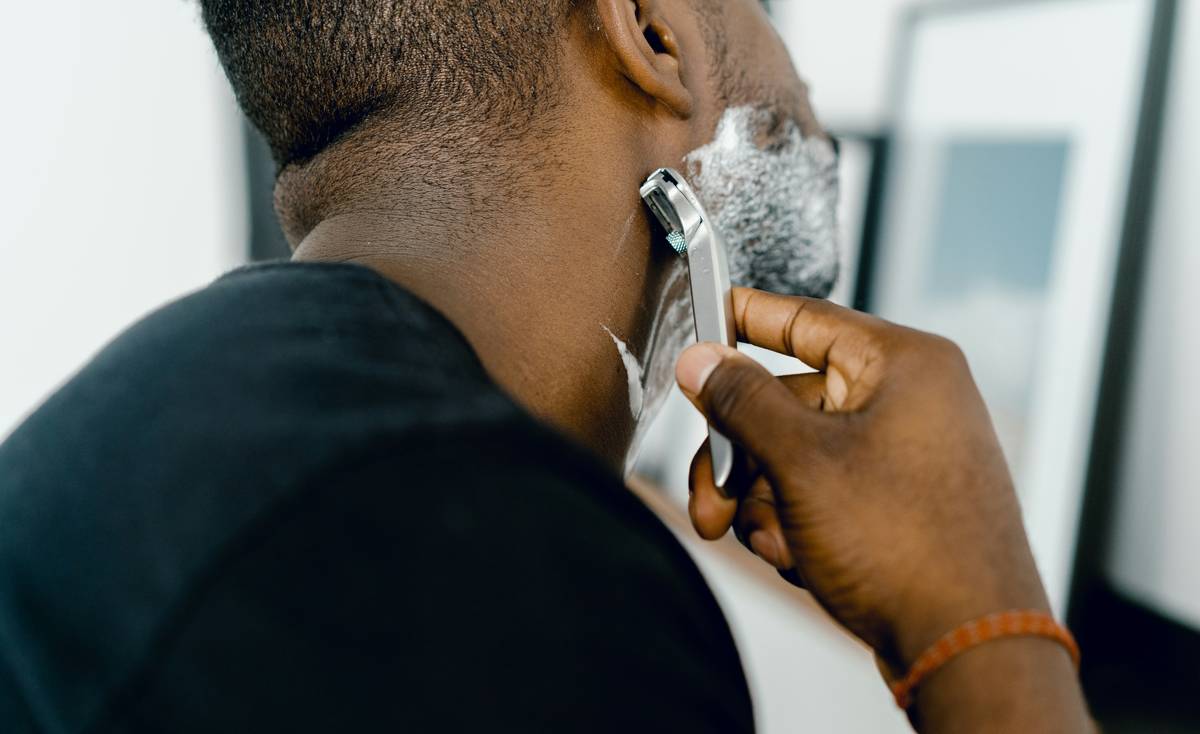
- For glass-skin finish: Single-blade safety razor (e.g., Merkur 34C) + glycerin-based shave gel (not foam!). Foams dry out scalp skin fast.
Step 3: Shave With the Grain—Always
Yes, even if it feels less close. Scalp hair often grows in swirls (especially at the crown). Map your growth pattern first: glide your hand over dry scalp—it’ll snag where hair opposes direction. Shave *with* that flow. One pass only. Re-shaving = guaranteed irritation.
Step 4: Rinse & Neutralize
Cold water rinse to close pores. Then apply an alcohol-free toner with witch hazel or tea tree oil (e.g., Thayers Witch Hazel Toner) to kill bacteria without stripping moisture.
7 Non-Negotiable Best Practices for Long-Term Scalp Health
- Moisturize daily—use a non-comedogenic scalp serum (look for niacinamide + hyaluronic acid).
- Wear SPF 30+ every single day. UV exposure accelerates aging and increases skin cancer risk. Neutrogena Ultra Sheer SPF 50 absorbs fast and won’t leave white cast.
- Exfoliate once weekly with a gentle salicylic acid scrub (like Paula’s Choice Skin Perfecting 2% BHA).
- Never share razors or clippers—scalp infections spread easily (herpes simplex, staph).
- Replace blades every 5–7 shaves. Dull blades tug and tear.
- Hydrate from within—drink water. Dehydrated scalp = flaking city.
- Inspect monthly for new moles, sores that don’t heal, or persistent red patches—see a derm if unsure.
Terrible Tip Disclaimer
“Just use coconut oil post-shave!” Nope. Coconut oil is comedogenic (rated 4/5 on comedogenicity scale)—it clogs scalp follicles and can trigger folliculitis. Save it for your hair… oh wait.
Rant Corner
Can we talk about “bald head wax kits” sold on Amazon? They’re marketed like spa treatments, but applying hot wax to your dome is like inviting a hornet’s nest to a picnic. The scalp has 10x more nerve endings than your arm—this hurts, inflames, and rarely gives cleaner results than clipping. Stop it.
Case Study: From Flaky Nightmare to Mirror-Like Shine
Meet David R., 42, IT manager from Portland. After going bald at 38, he shaved weekly with a drugstore multi-blade razor and baby oil. Result? Chronic flaking, summer sunburns, and one ER visit for infected ingrown hairs.
We switched his routine:
- Morning: Cleanse with CeraVe Hydrating Cleanser
- Shave Day: Pre-shower warm-up → pre-shave oil → safety razor with Feather Hi-Stainless blades → cold rinse → Thayers toner → CeraVe Moisturizing Cream
- Daily: Supergoop! Zincscreen SPF 40 (clear formula)
After 6 weeks: Zero irritation, no flaking, and he stopped wearing hats in July. His dermatologist called it “textbook scalp rehabilitation.”
FAQs About Hair Removal for Bald Heads
How often should I remove hair from my bald head?
Every 2–4 days for razors (sooner if you have fast-growing coarse hair). Clippers can stretch to 5–7 days.
Can I use body hair removal cream on my scalp?
Absolutely not. Scalp skin is far more permeable and sensitive. Depilatory creams (like Nair) contain strong alkaline chemicals that can cause chemical burns or allergic contact dermatitis.
Does shaving make hair grow back thicker?
No—this is a myth. Shaving cuts hair at the surface, creating a blunt tip that *feels* coarser temporarily, but it doesn’t alter follicle biology (per Mayo Clinic).
What’s the best electric clipper for bald heads?
The Andis T-Outliner or Wahl Detailer. Both offer T-blades for precision and zero-gap adjustability without needing steady hands like razors.
Conclusion
“Hair removal bald head” isn’t just about aesthetics—it’s scalp health maintenance. Do it right, and you’ll enjoy confidence, comfort, and protection from sun damage and infection. Do it wrong, and you’ll be Googling “how to treat scalp folliculitis” at 2 a.m.
Remember: prep matters, direction matters, and post-care matters most. Treat your scalp like the delicate organ it is—not an afterthought. Now go forth, shine bright, and never let a rogue stubble ruin your vibe again.
Like a Tamagotchi, your bald head needs daily care—or it dies dramatically.
🌧️
Smooth dome,
Sunscreen applied,
No more flake storms.